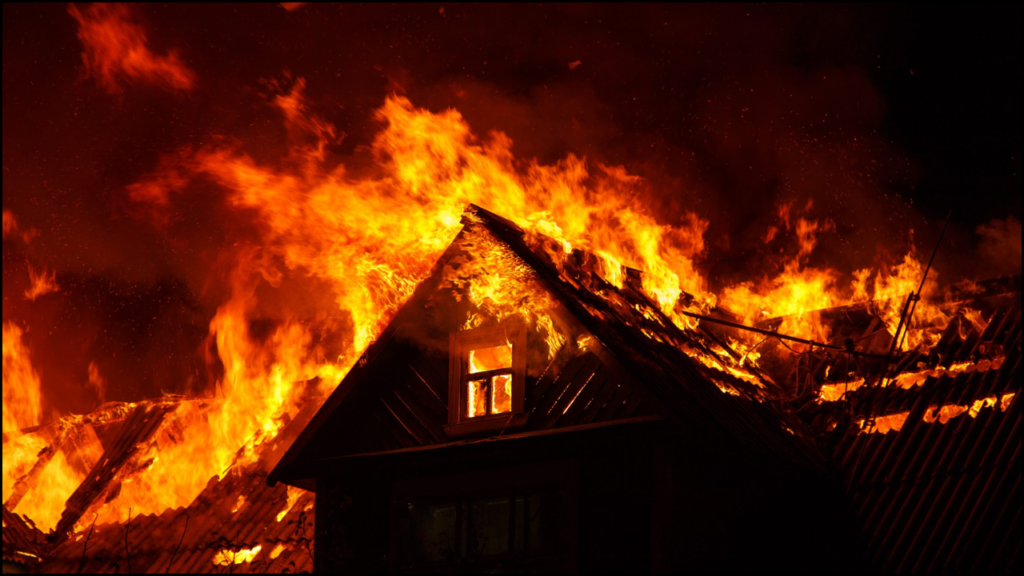
Sparks may appear small and short-lived, but their behavior plays a major role in accidental fire outbreaks. In many fire incidents, sparks—not direct flames—are the initial cause of ignition. Understanding how sparks move, where they travel, and why they ignite materials is essential for preventing unplanned fires in homes, workplaces, and natural environments.
Fire prevention depends on awareness as much as equipment. By learning the basic science behind spark behavior, individuals and communities can reduce risks, improve safety practices, and limit the spread of accidental fires before they start.
Table of Contents
Overview Of Spark Behavior
| Aspect | Explanation |
|---|---|
| Spark Formation | Produced during burning or friction |
| Heat Retention | Sparks remain hot for short periods |
| Air Movement | Hot air lifts sparks upward |
| Ignition Risk | Dry materials ignite easily |
| Prevention Focus | Control sparks and fuel sources |
Spark Formation
Sparks form when small particles break away from a burning or heated source. These particles may come from wood, metal, or other combustible materials exposed to intense heat or friction. Once separated, they continue to glow because they retain thermal energy.
During activities like welding, cooking, or open burning, sparks are common. Even though they are small, their temperature can be high enough to ignite nearby materials. Recognizing common spark sources is the first step toward prevention.
Heat Retention
Sparks stay hot long enough to cause ignition. Their small size allows them to cool quickly, but during those few seconds, they can still start fires. Materials such as dry leaves, paper, cloth, and wood shavings ignite easily on contact.
Heat retention also depends on spark composition. Metal sparks often stay hotter than ash particles. This makes industrial and mechanical sparks especially dangerous in uncontrolled environments.
Air Movement
Hot air produced by burning rises due to reduced density. Sparks caught in this rising air are lifted upward and carried away from the original heat source. This movement increases the area at risk.
Once sparks gain height, they may be transported horizontally by wind or ventilation systems. Airflow patterns often determine where sparks finally land, making fire spread less predictable.
Ignition Conditions
- Dry materials ignite faster than moist ones
- Fine fuels catch fire more easily
- Warm temperatures lower ignition thresholds
- Oxygen availability supports combustion
- Hidden sparks cause delayed fires
Accidental fires often begin under the right conditions rather than from large flames. Understanding these conditions helps identify high-risk situations before ignition occurs.
Surface Contact
Sparks rarely cause fires in open air alone. Ignition usually happens when a spark lands on a suitable surface. Rough, porous, or fibrous materials allow sparks to embed and retain heat long enough to start combustion.
Hard surfaces like concrete pose less risk, while organic materials pose much greater danger. Identifying and managing ignition surfaces significantly reduces accidental fire risk.
Human Activities
Many accidental fires result from everyday activities. Campfires, fireworks, welding, grinding, and outdoor cooking all produce sparks that can escape control if safety measures are ignored.
Improper disposal of hot materials such as ashes or cigarette ends also contributes to spark-related fires. Simple behavior changes greatly reduce ignition risks in both residential and outdoor settings.
Environmental Influence
- Wind spreads sparks beyond control zones
- Low humidity dries ignition materials
- Enclosed spaces trap hot air
- Poor ventilation concentrates heat
- Seasonal dryness increases risk
Environmental factors strongly influence spark behavior. Fire prevention plans must consider weather, airflow, and surrounding materials to remain effective.
Preventive Strategies
Effective prevention focuses on interrupting spark movement or eliminating fuel. Using spark guards, clearing dry debris, and maintaining safe distances are proven methods.
Fire-resistant materials and proper storage of flammable items further reduce risk. Prevention strategies work best when applied consistently rather than reactively.
Awareness Training
Education plays a critical role in fire prevention. Training individuals to recognize spark hazards improves response time and decision-making. Awareness reduces careless actions that often lead to accidental fires.
Organizations and communities that prioritize fire education experience fewer incidents. Knowledge transforms sparks from hidden threats into manageable risks.
Fire Control Planning
Understanding spark behavior supports better fire control planning. Design choices such as ventilation placement and firebreaks reduce spark spread. Planning for spark containment improves overall fire safety.
Prevention is always more effective than suppression. Addressing spark risks early protects property, lives, and natural ecosystems.
Summing Up
Understanding spark behavior is key to preventing accidental fires. Sparks move with hot air, retain heat long enough to ignite dry materials, and often travel beyond visible flames. By recognizing spark sources, controlling airflow, managing fuel, and promoting awareness, accidental fires can be significantly reduced.