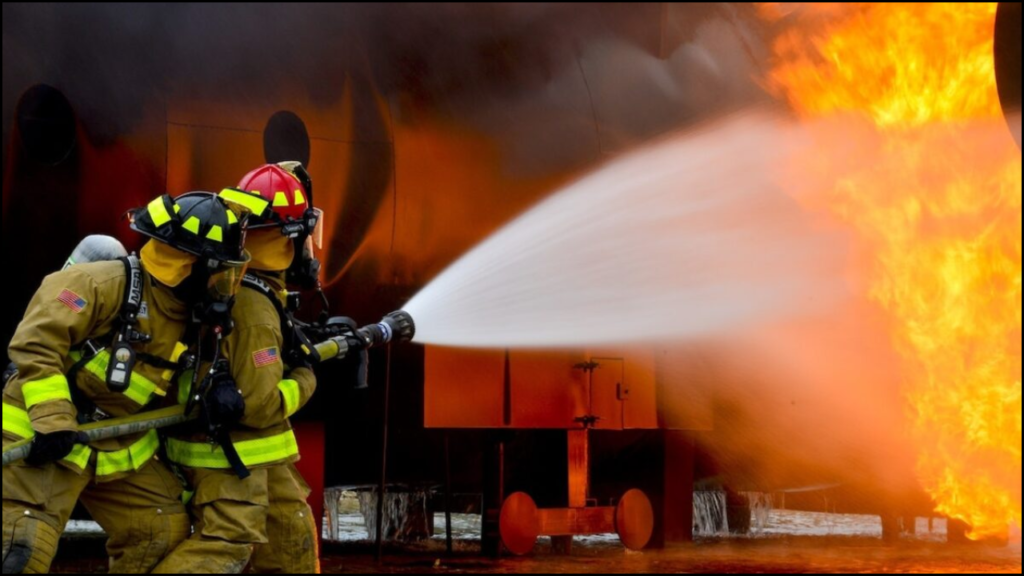
Industrial facilities handle heat, machinery, and combustible materials daily, making fire safety a constant priority. One often underestimated risk is the behavior of sparks generated during routine operations. Rising sparks, driven by heat and air movement, can travel far beyond their point of origin and ignite unexpected fire hazards.
Understanding how and why sparks rise in industrial environments helps reduce accidental fires, equipment damage, and workplace injuries. By recognizing spark behavior and applying proper controls, industries can significantly improve operational safety and compliance.
Table of Contents
Overview Of Industrial Spark Hazards
| Hazard Source | Explanation |
|---|---|
| Hot Processes | Welding and cutting generate sparks |
| Airflow Systems | Ventilation lifts sparks upward |
| Combustible Dust | Fine particles ignite easily |
| Elevated Surfaces | Sparks settle on hidden materials |
| Delayed Ignition | Fires start after work ends |
Spark Sources
Industrial sparks commonly originate from welding, grinding, cutting, and metal fabrication. These activities release tiny, high-temperature particles that remain hot long enough to ignite flammable materials. Even brief exposure can be enough to start a fire.
Electrical faults and overheated machinery also produce sparks. Poor maintenance increases this risk, allowing sparks to form in areas where combustible materials may be present. Identifying all spark-producing processes is essential for effective hazard control.
Heat Convection
High-temperature industrial operations heat the surrounding air rapidly. Hot air becomes lighter and rises, creating vertical airflow within workspaces. This convection lifts sparks upward, allowing them to bypass floor-level safety measures.
Once elevated, sparks can reach ceilings, cable trays, and ventilation ducts. These hidden areas often contain dust, insulation, or residues that ignite easily, increasing the chance of unnoticed fires.
Airflow Systems
Industrial ventilation systems are designed to manage heat and fumes, but they can unintentionally spread sparks. Rising sparks can be drawn into exhaust systems and redistributed throughout a facility.
Air currents created by fans and ducts extend spark travel distance. This movement makes it difficult to predict where sparks may land, complicating fire prevention and suppression efforts.
Combustible Materials
- Dust from wood, grain, or chemicals
- Flammable liquids and vapors
- Packaging materials and insulation
- Grease and oil residues
- Stored raw materials
When rising sparks come into contact with these materials, ignition becomes likely. Combustible dust is especially dangerous because it can ignite rapidly and spread fire explosively.
Vertical Spread
Industrial fires often spread upward faster than outward. Rising sparks ignite materials on higher levels, leading to multi-level fires that are harder to control.
This vertical spread can damage structural components, wiring, and critical equipment. Fires that move upward also threaten worker safety by limiting evacuation routes and visibility.
Hidden Ignition
Sparks do not always cause immediate flames. When they land in concealed areas, they may smolder unnoticed for long periods before igniting fully.
Hidden ignition is a major industrial risk. Fires may start after operations stop, when fewer staff are present. Rising sparks increase this risk by accessing areas that are rarely inspected.
Equipment Damage
- Electrical panels exposed to sparks
- Conveyor belts ignited by hot particles
- Sensors and controls damaged by heat
- Downtime caused by fire-related failures
- Costly repairs and replacements
Equipment damage from spark-related fires can halt production and cause long-term financial losses. Prevention is more cost-effective than recovery.
Worker Safety
Rising sparks pose direct threats to workers. Sparks reaching overhead areas can drop burning material onto personnel below. Smoke from elevated ignition points also reduces air quality and visibility.
Understanding spark behavior supports better training and safer work practices. Workers who recognize upward spark movement respond more quickly to potential hazards.
Control Measures
Effective control focuses on limiting spark generation and controlling airflow. Spark shields, barriers, and localized extraction systems reduce spark travel.
Regular cleaning removes combustible dust and residues. Equipment maintenance and proper storage further minimize ignition sources and fuel availability.
Fire Planning
- Install spark detection systems
- Design airflow to limit the upward spread
- Maintain clear zones above hot work
- Schedule inspections after operations
- Train staff on spark hazards
Fire planning that accounts for rising sparks improves early detection and response. Proactive planning reduces incident severity and enhances overall safety.
Final Analysis
Industrial fire hazards caused by rising sparks stem from heat-driven airflow, combustible materials, and complex facility layouts. Sparks lifted by convection can ignite hidden areas, spread fires vertically, and damage critical equipment. By understanding spark behavior and implementing targeted controls, industries can reduce fire risks, protect workers, and maintain safer operations.