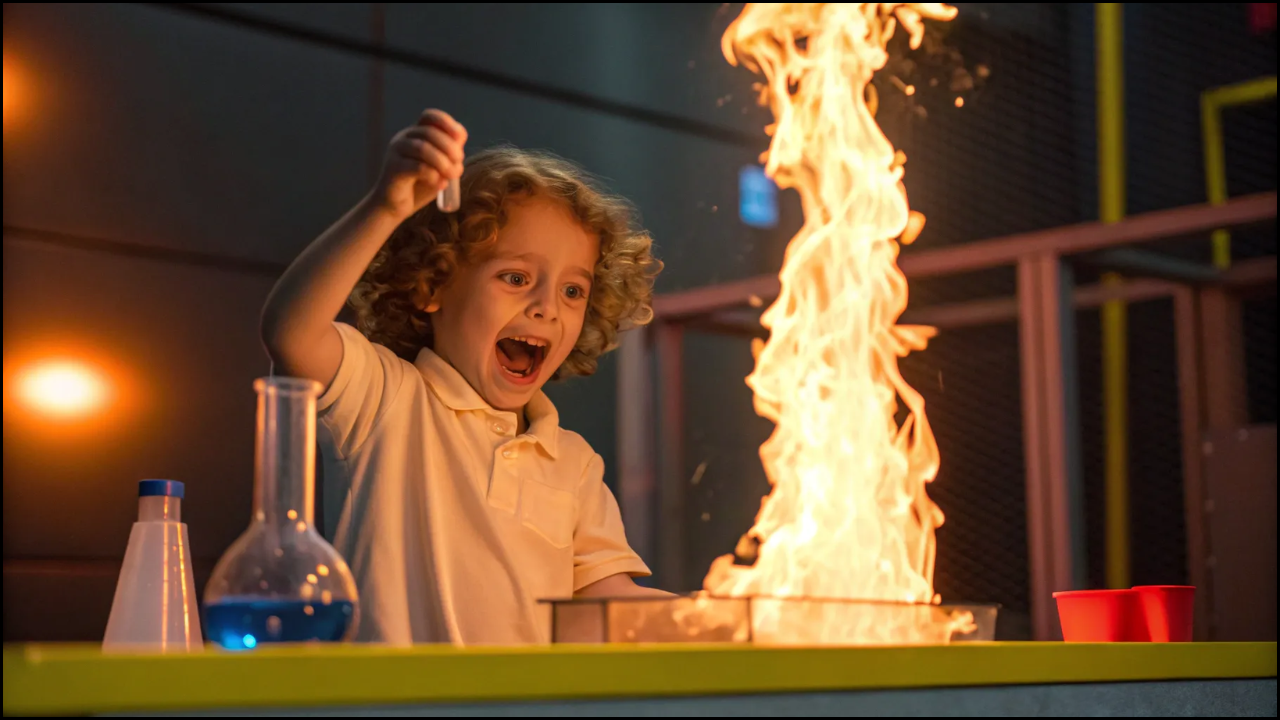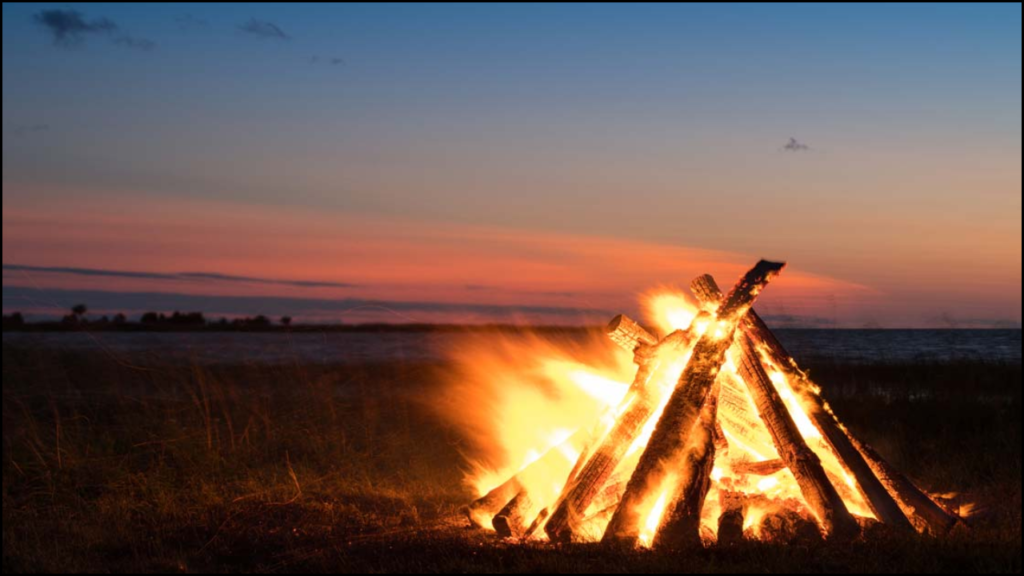
Fire is more than a source of heat and light; it is a natural teacher that clearly demonstrates how air pressure and temperature work together. When something burns, it changes the temperature of the surrounding air, which in turn affects air pressure and movement. These changes explain many everyday observations, such as rising flames, moving smoke, and drifting sparks.
By observing fire, students and learners can understand abstract concepts like air expansion, pressure differences, and airflow in a simple and practical way. Fire provides visible proof of how temperature directly influences air behavior.
Table of Contents
Overview Of Fire And Air Concepts
| Concept | Explanation |
|---|---|
| Heat Source | Fire raises air temperature rapidly |
| Air Expansion | Warm air spreads and becomes lighter |
| Pressure Change | Hot air creates low-pressure zones |
| Air Movement | Air flows from high to low pressure |
| Learning Value | Fire visualizes invisible air forces |
Heat Transfer
Fire releases a large amount of heat energy into the surrounding air. This heat transfer happens quickly and affects air molecules almost instantly. As air absorbs heat, its molecules move faster and spread farther apart.
This increase in molecular motion is the starting point for understanding air pressure and temperature. Fire makes heat transfer visible, allowing learners to see how energy changes the behavior of air.
Temperature Increase
Temperature measures how fast air molecules move. When fire heats the air, molecular speed increases significantly. Faster-moving molecules collide more often and push outward.
This increase in temperature does not stay localized. Heated air expands outward and upward, showing that temperature changes directly influence air movement in real time.
Air Expansion
Air expansion occurs because warm air needs more space than cool air. As fire heats air, it becomes less dense and occupies a larger volume. This expansion reduces the weight of air in that area.
Expanded air cannot remain below cooler, heavier air. This physical rule causes warm air to rise, making fire an excellent example of temperature-driven expansion.
Air Pressure
Air pressure is created by the weight of air pressing down on surfaces. When air heats up and expands, it becomes lighter and creates a low-pressure area near the fire.
Surrounding cooler air, which is denser and under higher pressure, moves toward this low-pressure zone. This pressure difference drives air movement and keeps the fire supplied with oxygen.
Pressure Movement
- Air moves from high pressure to low pressure
- Fire creates low pressure by heating air
- Cooler air rushes inward to replace hot air
- Continuous flow feeds the flame
- Pressure balance keeps air circulating
This movement explains why fires draw air inward at the base and push hot gases upward. Pressure differences are the engine behind this circulation.
Convection Currents
The combination of temperature increase and pressure difference creates convection currents. Hot air rises above the fire while cooler air sinks and moves in to replace it.
These currents are responsible for carrying smoke, sparks, and heat upward. Fire visually demonstrates convection better than most classroom tools.
Flame Shape
- Flames point upward due to rising air
- Stronger heat creates taller flames
- Calm air produces straight flames
- Wind alters pressure patterns
- Flame movement shows airflow
Flame shape is direct evidence of air pressure and temperature interaction. By observing flame direction and height, learners can infer how air is moving around the fire.
Smoke Behavior
Smoke follows the same rules as heated air. It rises because it is carried by warm, low-pressure air zones created by fire.
As smoke cools, it slows down and spreads outward. This behavior shows how temperature changes alter air pressure and movement over time.
Cooling Effects
When hot air rises, it eventually cools as it mixes with the surrounding air. Cooling increases air density and pressure, slowing upward motion.
This cooling explains why smoke and sparks do not rise forever. Fire teaches that temperature and pressure effects are dynamic and constantly changing.
Real-Life Learning
Fire helps explain many real-world systems. Chimneys work by using rising hot air. Weather patterns depend on temperature and pressure differences. Even ventilation systems rely on the same principles seen in fire behavior.
By studying fire, learners gain insight into how air behaves on a larger scale. Small flames reflect the same physical laws that shape atmospheric movement.
Safety Understanding
Understanding air pressure and temperature also improves fire safety awareness. Knowing that fire pulls air inward and pushes heat upward explains why fires spread vertically and why proper ventilation matters.
This knowledge encourages safer behavior around heat sources and improves understanding of fire hazards in everyday environments.
Parting Insights
Fire teaches us that temperature and air pressure are closely connected. Heat from fire increases air temperature, causes expansion, lowers air pressure, and drives air movement. These changes create convection currents that shape flames, move smoke, and lift sparks. By observing fire, learners can clearly see how invisible forces like air pressure and temperature control the behavior of air in the physical world.