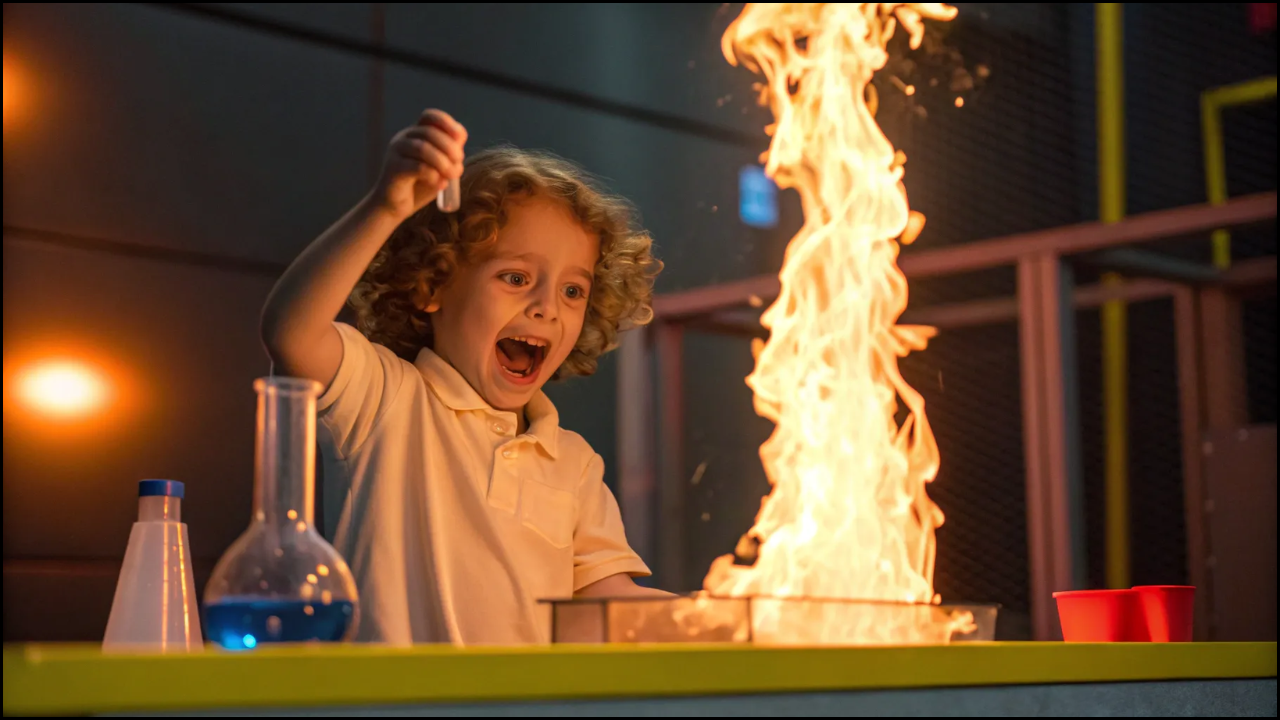
Fireworks are exciting and visually stunning, but their sparks and flames carry real risks. Understanding why sparks rise and the direction they travel is essential for preventing accidents. The upward movement of sparks is influenced by heat, air currents, and combustion dynamics. Proper safety measures ensure that celebrations remain fun while minimizing the danger of accidental fires or injuries.
Table of Contents
Overview: Fireworks Safety
| Aspect | Details |
|---|---|
| Spark Direction | Determined by heat and air movement |
| Main Risk | Ignition of nearby flammable materials |
| Safety Measures | Maintain distance, use barriers, and follow instructions |
| Educational Focus | Teach safe handling and spark behavior |
| Event Use | Outdoor celebrations, controlled displays |
Heat Movement
Sparks rise because fire heats the surrounding air, making it less dense than cooler air nearby. This difference causes convection currents, which carry both sparks and flames upward. In fireworks, hot sparks can travel unpredictably if the air is turbulent or if multiple explosions occur simultaneously. Recognizing how heat affects spark direction helps organizers position fireworks safely and plan safe viewing areas.
Firework enthusiasts can visualize this phenomenon through demonstrations, showing how sparks follow the path of rising hot air. Understanding this principle allows for a safer setup and helps predict where sparks may land, reducing the risk of accidental fires during celebrations.
Combustion Dynamics
Fireworks sparks result from combustion reactions within the firework components. Small, lightweight particles are released as sparks, which travel upward quickly due to their heat. Larger or denser particles may fall sooner, but all sparks can ignite flammable surfaces. The type of fuel, chemical composition, and ignition temperature influence spark behavior and brightness, affecting both visual appeal and safety considerations.
Studying combustion dynamics provides insight into why different fireworks behave differently. Demonstrations of spark trajectories illustrate how chemical reactions and particle size contribute to upward motion. This knowledge is crucial for planning firework displays safely in public spaces or at home.
Air Currents
Air movement has a major impact on spark direction. Even slight breezes can redirect sparks sideways or downward. Convection currents caused by the hot firework plume push sparks upward, but environmental airflow can make spark paths unpredictable. Safety planning must account for wind, ventilation, and nearby structures to prevent accidents and injuries.
Educational workshops often demonstrate how air currents interact with sparks to show the importance of environmental factors. By understanding airflow, organizers can select safer locations, create protective barriers, and avoid placing spectators in dangerous positions near fireworks.
Safety Guidelines
Proper handling of fireworks is essential to prevent accidents. Maintaining safe distances, using protective barriers, and ensuring the surrounding area is free of flammable materials reduces the risk of fires. Protective eyewear and fire extinguishers should be available during all displays. Understanding why sparks travel upward reinforces the need for vigilance and careful planning.
The Sparks Fly Upward Org and other educational organizations provide workshops and materials emphasizing firework safety. They teach participants about spark behavior, directional hazards, and practical precautions to create safe celebrations for families, schools, and communities.
Educational Insights
Learning why fireworks’ sparks move upward combines physics with practical safety lessons. Convection, heat transfer, and combustion dynamics are all observable during fireworks demonstrations. Students and enthusiasts gain firsthand experience in predicting spark paths and understanding why controlled conditions are necessary for safety.
Interactive experiments, such as observing small-scale controlled fireworks or spark simulations, allow learners to see physics principles in action. These lessons build knowledge and awareness that can prevent accidents, making physics both educational and directly applicable to everyday life.
Key Takeaways
Fireworks sparks rise due to hot air, convection currents, and combustion dynamics. Air currents and environmental factors can change their path, emphasizing the need for proper precautions. Understanding spark behavior improves safety planning for celebrations and provides a clear connection between scientific principles and practical safety. Responsible handling ensures fireworks are both enjoyable and secure.