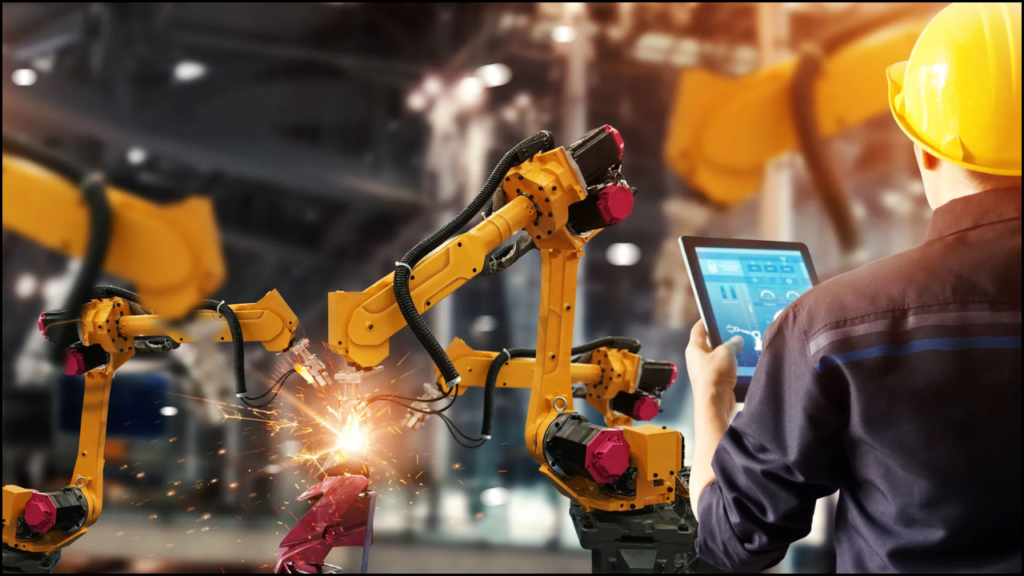
Sparks are a common byproduct of many manufacturing processes, including welding, grinding, and metal cutting. While visually striking, these sparks also pose potential hazards if their movement is not properly understood. Studying spark trajectories helps manufacturers design safer workspaces, prevent fires, and optimize industrial workflows.
Spark movement in manufacturing is determined by several physical factors, including heat, particle size, air movement, and buoyancy. By analyzing how sparks travel in different conditions, facilities can implement targeted safety measures and educate employees on best practices.
Table of Contents
Overview Of Spark Trajectories
| Factor | Explanation |
|---|---|
| Heat Source | Sparks originate from high-temperature operations |
| Particle Characteristics | Size and weight influence trajectory |
| Airflow | Convection currents guide sparks upward |
| Obstructions | Walls, ceilings, and equipment alter paths |
| Safety Measures | Barriers, ventilation, and PPE reduce hazards |
Heat Generation And Spark Formation
Manufacturing processes like welding and cutting produce sparks due to the rapid transfer of energy to metal particles. These particles become incandescent and are carried away by the surrounding hot air.
The intensity of the heat source influences the initial velocity and lift of sparks. Stronger heat generates more vigorous convection currents, allowing sparks to travel farther and rise higher.
Particle Characteristics
Sparks vary in size, shape, and weight. Small, lightweight particles are more easily carried by rising air currents, while larger fragments fall quickly due to gravity.
Understanding particle properties helps predict how far sparks may travel and informs decisions on spacing, protective barriers, and containment systems in manufacturing facilities.
Convection Currents
Hot air generated during manufacturing processes rises due to lower density compared to cooler surrounding air. These convection currents create upward pathways that lift sparks away from the source.
- Stronger heat produces faster upward air movement
- Vertical trajectories are most common directly above the heat source
- Surrounding cooler air replaces rising hot air, sustaining convection
- Sparks follow these invisible air “channels” until they cool
Recognizing these patterns allows engineers to anticipate where sparks may land and design safer work areas.
Airflow And Ventilation
Factory ventilation systems significantly affect spark trajectories. Fans, vents, and open doors can redirect sparks, either mitigating risks or unintentionally increasing them if airflow is uncontrolled.
Properly designed airflow guides sparks into safe zones, reducing the chance of ignition of flammable materials. Conversely, turbulent or strong horizontal currents can carry sparks farther than expected.
Obstructions And Barriers
Walls, ceilings, machinery, and overhead storage influence spark movement. Sparks rising from heat sources may collide with obstructions, causing unpredictable deflection or dispersion.
Using spark guards, curtains, and containment screens strategically helps control trajectories. Monitoring overhead spaces prevents hidden fire hazards from upward-moving sparks.
Material Placement
The layout of flammable and combustible materials is critical. Materials located above or near spark sources are at greater risk due to upward motion.
Safe positioning and separation of flammable items minimize fire hazards. Designated storage zones and clear work areas reduce the likelihood of sparks contacting dangerous materials.
Worker Safety And PPE
Employees must wear appropriate protective equipment, including flame-resistant clothing, gloves, face shields, and eye protection. Awareness of upward spark movement ensures that PPE effectively covers vulnerable areas.
Training on spark behavior reinforces safe practices, helping workers understand why certain zones are hazardous and how sparks interact with their environment.
Emergency Preparedness
Understanding spark trajectories informs emergency response planning. Fire extinguishers, suppression systems, and clear evacuation routes are essential for areas where sparks may land unexpectedly.
Regular drills and audits help maintain safety awareness and ensure that rising sparks do not create uncontrolled fires.
Last Words
In manufacturing environments, spark trajectories are influenced by heat, particle characteristics, convection currents, airflow, and obstructions. Sparks primarily rise due to hot air movement, but ventilation and layout can alter their path significantly. Controlling spark trajectories through barriers, safe material placement, and worker protection is critical for fire prevention and operational safety.