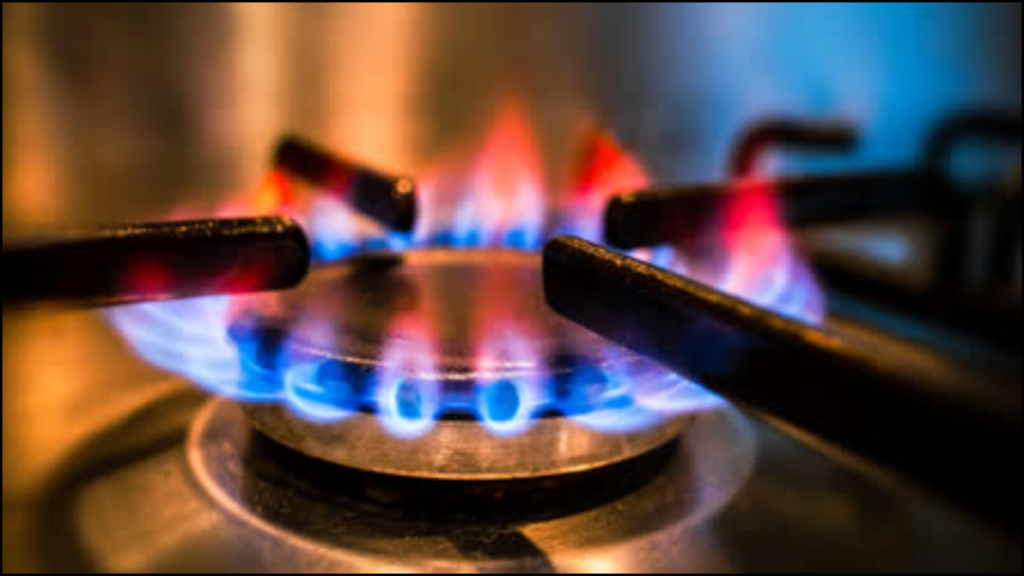
Gas stoves are common household appliances, yet they display fascinating scientific behavior when ignited. The small sparks and flames seen during ignition often move upward, catching the attention of students and curious observers. This simple kitchen phenomenon offers a clear window into basic physics concepts involving heat, air movement, and combustion.
Understanding why sparks rise from gas stoves helps explain everyday science in a relatable way. It also supports safer cooking practices by clarifying how heat behaves in enclosed indoor environments like kitchens.
Table of Contents
Overview Of Rising Sparks In Gas Stoves
| Aspect | Explanation |
|---|---|
| Gas Ignition | Fuel reacts rapidly with oxygen |
| Heat Release | Combustion produces high temperatures |
| Air Expansion | Heated air becomes lighter |
| Upward Motion | Hot air carries sparks and flames |
| Kitchen Safety | Rising sparks can ignite nearby items |
Gas Ignition
Gas stoves operate by releasing a controlled flow of fuel, usually natural gas or LPG, which mixes with air. When ignited, this mixture reacts instantly, producing heat and light. The ignition spark briefly appears as a small flash before forming a steady flame.
This ignition process creates localized high temperatures in a very short time. The rapid heat generation sets the stage for upward spark and flame movement.
Heat Release
Combustion releases a large amount of thermal energy. This energy spreads to nearby air molecules, increasing their speed and spacing. The air surrounding the flame becomes significantly hotter than the rest of the kitchen air.
Heat does not stay still. As the temperature increases near the burner, the surrounding air responds by expanding and beginning to move upward.
Air Expansion
When air is heated, its density decreases. Hot air contains fewer molecules per unit volume compared to cooler air. This difference creates buoyancy forces that cause hot air to rise naturally.
The heated air above a gas stove burner becomes lighter and starts moving upward immediately after ignition. Any sparks formed during ignition are caught in this rising air.
Convection Currents
- Hot air rises directly above the burner
- Cooler air moves in from the sides
- Continuous circulation is created
- Sparks follow rising air paths
- Flames stretch upward naturally
Convection currents form almost instantly in gas stoves. These invisible air movements explain why sparks and flames consistently rise instead of spreading sideways or downward.
Spark Formation
The spark seen during stove ignition is usually electrical, produced by a piezo igniter or electronic system. This spark heats the gas-air mixture enough to start combustion.
Although the spark itself is brief, the surrounding hot gases lift it upward. The visible motion is shaped more by air movement than by the spark’s own energy.
Flame Shape
Gas stove flames are tall and narrow rather than round. This shape reflects upward airflow created by convection. Flames stretch upward because hot gases are continuously rising.
The blue flame color indicates efficient combustion, while its upward direction shows how strongly heat affects air movement in open spaces.
Pressure Effects
- Heated gases expand rapidly
- Local air pressure increases briefly
- Gases escape upward where resistance is lowest
- Vertical movement dominates over sideways flow
- Pressure differences support upward motion
Air pressure differences near the burner assist convection. Hot gases move upward to equalize pressure with cooler surrounding air.
Gravity Balance
Gravity always pulls gases and particles downward. However, buoyant forces created by hot air are stronger near the flame.
As long as the air remains hot, upward motion dominates. Once gases cool, they spread out and slow down, ending the rising movement.
Kitchen Airflow
Kitchen airflow plays an important role in spark behavior. Exhaust fans, open windows, and room ventilation can strengthen or redirect rising air currents.
In poorly ventilated kitchens, hot air rises more directly upward. In well-ventilated spaces, airflow may tilt flames slightly but rarely pushes them downward.
Safety Considerations
- Loose papers can catch the rising heat
- Oil vapors may ignite above the burners
- Curtains near stoves increase risk
- Overhead cabinets can trap heat
- Proper spacing reduces hazards
Rising sparks and flames make vertical spaces more vulnerable to heat exposure. Understanding this helps prevent accidental fires and damage.
Learning Value
Gas stoves provide excellent real-world examples of physics principles. Students can observe convection, heat transfer, and combustion without specialized equipment.
Using everyday appliances to explain science makes learning more engaging and memorable. Kitchens become informal laboratories for understanding natural laws.
Household Awareness
Awareness of rising heat encourages safer kitchen design and habits. Keeping flammable items away from burners and maintaining ventilation reduces risks.
Understanding spark behavior also helps explain why cookware handles heat up and why stove hoods are placed above burners.
Final Thoughts
Sparks rise from gas stoves because combustion heats the surrounding air, lowering its density and creating strong upward convection currents. These rising air movements carry sparks and flames upward, easily overcoming gravity. Factors such as air expansion, pressure differences, and kitchen airflow all shape this motion. Recognizing the science behind this everyday phenomenon enhances both learning and kitchen safety.