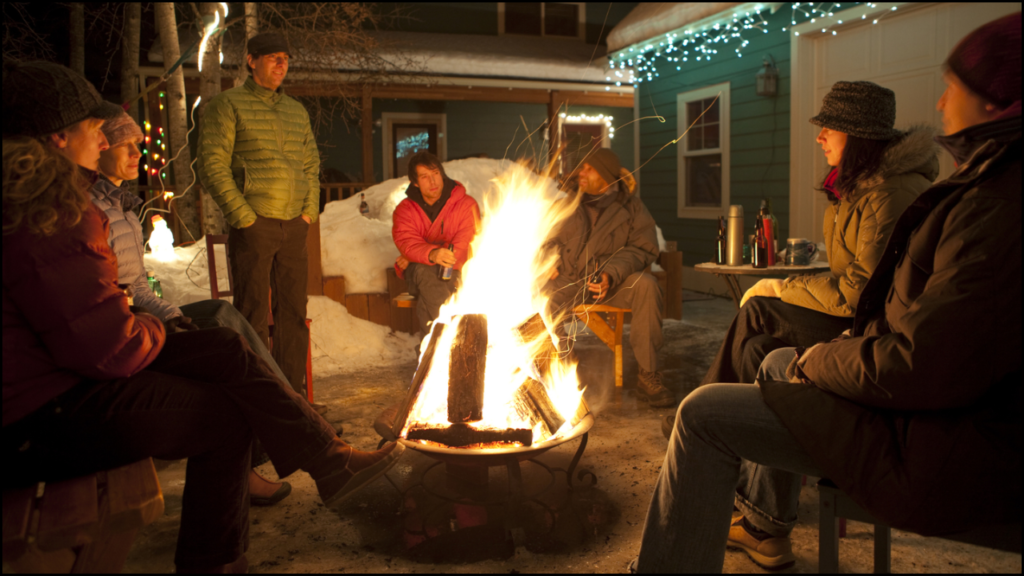
Outdoor fires like bonfires and BBQs are central to backyard gatherings, creating warmth, light, and a social atmosphere. However, these activities also produce sparks that can rise and travel unexpectedly. Understanding why sparks behave this way is essential for homeowners to enjoy fire safely while protecting property and surrounding vegetation.
Sparks are not random; they follow physical principles related to heat, air movement, and particle behavior. Awareness of these principles helps homeowners manage fire risks effectively and prevent accidental fires during outdoor events.
Table of Contents
Overview Of Spark Safety
| Aspect | Explanation |
|---|---|
| Spark Cause | Burning fuel and high heat release |
| Upward Motion | Hot air lifts sparks above the fire |
| Risk Zones | Grass, wood, furniture, nearby structures |
| Wind Factor | Sparks travel farther under breezy conditions |
| Safety Practices | Fire containment, supervision, and proper extinguishing |
Spark Generation
Bonfires and BBQs produce sparks when small pieces of fuel, such as wood or charcoal, break off and burn independently. The hotter and drier the fuel, the more sparks are produced. Softwoods, in particular, tend to release more sparks than hardwoods due to resin content.
Homeowners should be aware that even tiny sparks can ignite dry leaves, grass, or combustible materials nearby. Understanding spark formation is the first step in managing outdoor fire safely.
Heat and Air Movement
Sparks rise because hot air created by the fire becomes lighter and moves upward. This upward airflow, known as convection, carries sparks away from the fire’s base. The hotter the fire, the stronger the convection currents, and the higher the sparks can travel.
Even in seemingly calm conditions, the vertical movement of hot air can lift sparks several feet above the fire. Recognizing the role of air movement allows homeowners to predict spark behavior more accurately.
Wind Influence
Wind can carry sparks horizontally, increasing the potential for ignition beyond the immediate fire area. Light breezes can push sparks into dry grass, fences, or decorations, while strong winds can spread them over much greater distances.
Homeowners must account for wind direction and intensity when lighting bonfires or BBQs. Moving fire sources away from flammable materials is essential to minimize risk.
Safe Fire Placement
- Use open areas with minimal vegetation
- Maintain a safe distance from houses, fences, and overhead structures
- Keep fire pits on non-flammable surfaces like stone or gravel
- Avoid lighting fires near dry mulch or leaves
- Ensure access to water or fire extinguishers
Proper placement reduces the likelihood of sparks causing unintended fires and provides a safer environment for outdoor gatherings.
Fuel Selection
Using the right fuel can control spark production. Seasoned hardwood produces fewer sparks and burns longer, making it more manageable. Avoid burning treated wood, plastics, or trash, which can produce excessive sparks or toxic fumes.
Smaller fuel pieces create controlled fires with fewer unpredictable sparks. Fuel choice is a simple yet effective way to reduce hazards.
Fire Size and Containment
Large bonfires create stronger upward airflow, lifting more sparks higher and increasing danger. Controlled fire sizes are safer and easier to manage.
Fire pits, BBQ grates, and spark screens are effective containment tools. They reduce the distance sparks can travel while still allowing flames to be enjoyed safely.
Monitoring and Supervision
Active supervision is critical whenever outdoor fires are lit. Sparks can ignite hidden materials or smolder unnoticed. Adults should constantly monitor the fire and the surrounding area.
Children and pets must remain a safe distance away, and flammable materials should be moved out of the immediate fire zone. Consistent attention ensures sparks do not cause accidents.
Extinguishing Fires
Proper extinguishing prevents delayed ignition from residual sparks or embers. Water, sand, or a fire extinguisher should be used to ensure fires are fully out. Stirring ashes ensures no hidden heat remains.
A fire that appears out may still harbor hot spots capable of producing sparks. Complete extinguishing is essential for safe fire management.
Seasonal Awareness
During dry or windy seasons, outdoor fires carry a greater risk. Sparks can ignite grass, brush, and even structures more easily. Homeowners should check local fire regulations and avoid open fires during high-risk periods.
Being aware of environmental conditions complements safety measures and reduces the likelihood of accidental fires.
Key Takeaways
Sparks from bonfires and BBQs rise because hot air lifts small burning particles, while wind and fire intensity affect how far they travel. Proper fuel selection, fire containment, and vigilant supervision are essential for preventing accidents. By understanding spark behavior and implementing safety precautions, homeowners can enjoy outdoor fires responsibly, protecting themselves, their property, and the surrounding environment.