Industrial machinery is the engine that drives modern manufacturing, construction, mining, agriculture and processing industries. Every product we use, from packaged food and medicines to cars and smartphones, passes through a chain of machines before it reaches the market.
For a business, machinery is often the single largest investment and the main factor that decides production capacity, quality and cost. Choosing the right machines, financing them sensibly and maintaining them well can be the difference between a factory that grows steadily and one that struggles with breakdowns and high operating costs. This guide explains the main types of industrial machinery, how to select and fund them, and how to get the best return on every machine.
Table of Contents
What Is Industrial Machinery
Industrial machinery refers to heavy-duty equipment designed to perform specific tasks in production, processing, material handling or construction. Unlike household or light commercial equipment, these machines are built for continuous operation, high loads and long service life.
Industrial machines can be manual, semi-automatic or fully automatic. Today, most new machines include electronic controls, sensors and software, allowing them to be connected to factory networks and monitored in real time.
Major Categories of Industrial Machinery
The range of industrial machinery is very wide, but most equipment falls into a few clear groups based on its function.
Machine Tools
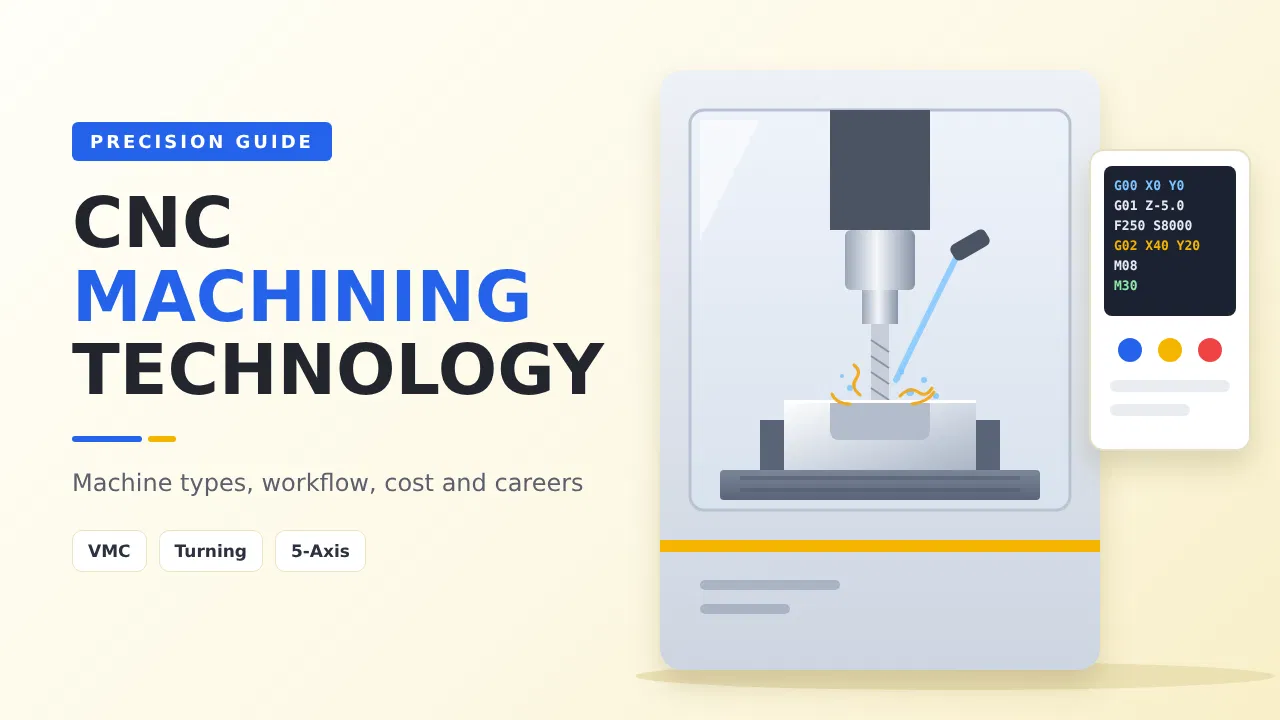
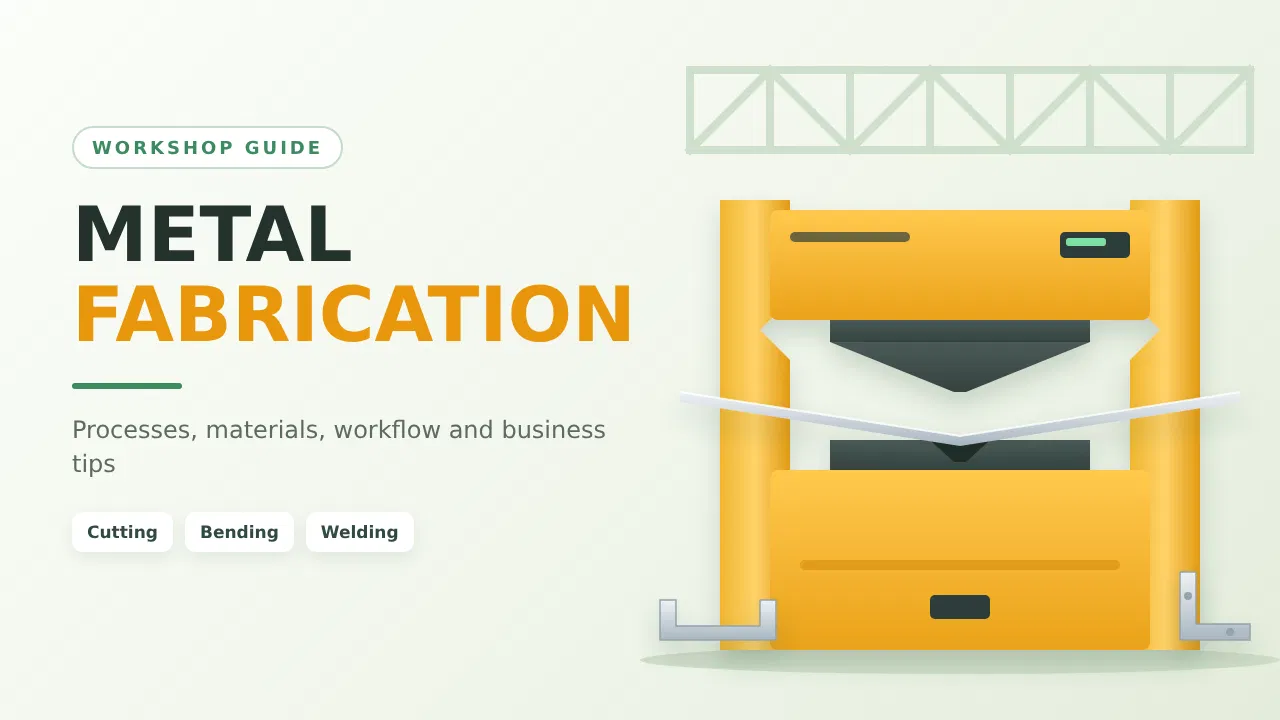
Machine tools shape metal and other solid materials. This group includes lathes, milling machines, drilling machines, grinding machines, CNC machining centres, press brakes and cutting systems such as laser and plasma machines. They form the base of the engineering and automotive component industry.
Material Handling Equipment
These machines move, lift, store and transport goods within a facility. Forklifts, overhead cranes, conveyors, hoists, pallet trucks and automated guided vehicles fall in this category. Efficient material handling reduces labour costs and prevents damage to products.
Process and Packaging Machinery
Process machines mix, heat, cool, separate or transform raw materials. Examples include reactors, mixers, boilers, dryers, extruders and injection moulding machines. Packaging machines fill, seal, label and wrap products and are essential in food, pharmaceuticals and FMCG plants.
Construction and Mining Equipment
Excavators, loaders, bulldozers, cranes, concrete mixers, drilling rigs and crushers belong to this group. Brands such as Caterpillar, Komatsu, JCB, Volvo and Tata Hitachi are widely used across infrastructure and mining projects.
Power and Utility Machinery
Generators, compressors, pumps, transformers and chillers keep factories running. Although they do not make products directly, any failure in utilities can stop an entire production line, which makes them critical assets.
Key Industries That Depend on Machinery
Almost every sector relies on industrial machinery, but some are especially machine-intensive.
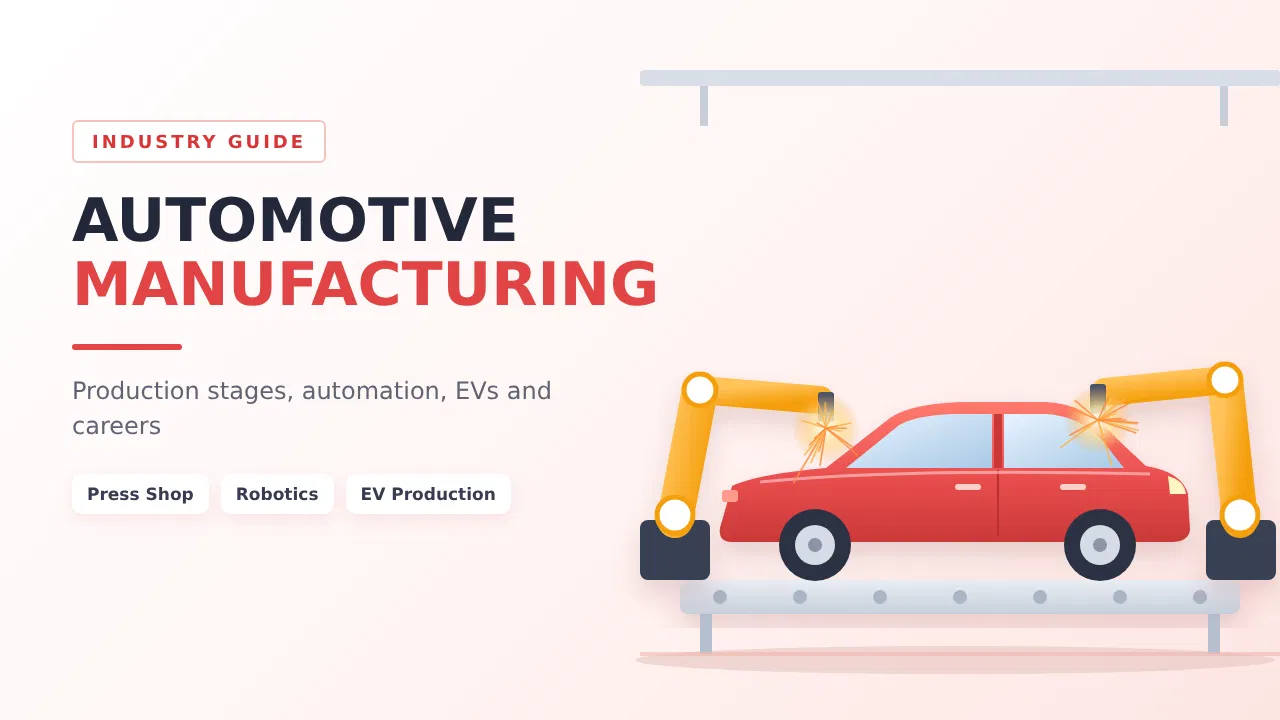
- Automotive and auto components manufacturing
- Steel, cement and heavy engineering
- Food processing, dairy and beverages
- Pharmaceuticals and chemicals
- Textiles and garments
- Plastics, rubber and packaging
- Infrastructure, roads and real estate construction
In India, the push for domestic manufacturing, new industrial corridors and large infrastructure projects has increased demand for machinery across these sectors. Production-linked incentive schemes in electronics, auto components and pharmaceuticals are encouraging companies to set up new plants and upgrade old equipment. This has also created a strong market for local machine builders, dealers, rental companies and service providers who support factories after installation.
How to Choose the Right Industrial Machine
Buying a machine is a long-term decision, so it should be based on careful planning rather than price alone.
Define Production Needs
Start with clear numbers: daily output, material types, part sizes and quality requirements. A machine that is too small creates bottlenecks, while an oversized one wastes capital and power.
Compare Total Cost of Ownership
The purchase price is only one part of the cost. Energy consumption, spare parts, tooling, maintenance, operator training and expected lifespan all affect the true cost per unit produced.
Check Service and Spare Support
A reliable brand with local service engineers and quick spare-part supply is worth paying extra for. Long downtime while waiting for a part from abroad can cost far more than the price difference between two machines.
New, Refurbished or Leased
New machines offer the latest technology and full warranty. Refurbished machines are cheaper and suit startups or secondary operations. Leasing keeps cash free for working capital and allows upgrades at the end of the lease term.
| Option | Main Benefit | Best Suited For |
|---|---|---|
| New Machine | Latest tech, warranty | Core production lines |
| Refurbished | Lower upfront cost | Startups, backup capacity |
| Leasing | Saves working capital | Fast-changing technology |
| Rental | No long commitment | Short projects, construction |
Financing Industrial Machinery
Few businesses buy large machines entirely from their own funds. Machinery loans and equipment finance from banks such as SBI, HDFC Bank, ICICI Bank and Axis Bank, as well as NBFCs like Bajaj Finserv and Tata Capital, are common routes. The machine itself usually serves as security, which makes approval easier than for an unsecured business loan.
In India, small and medium enterprises can explore MSME loan schemes and credit guarantee support that reduce the need for collateral. Interest rates, tenure, processing fees and prepayment terms should be compared carefully. Businesses can also claim depreciation on machinery as a tax benefit, which lowers the effective cost of ownership over the years.
Maintenance Strategies That Save Money
A well-maintained machine lasts longer, runs more efficiently and produces fewer rejected parts. Factories usually follow one or more of these approaches.
- Preventive maintenance: scheduled servicing, lubrication and part replacement at fixed intervals
- Predictive maintenance: sensors track vibration, temperature and power use to warn of failure in advance
- Total Productive Maintenance (TPM): operators take ownership of daily checks and cleanliness
- Annual maintenance contracts with the manufacturer or an authorised service partner
Keeping a log of every breakdown, repair and spare part used helps managers spot weak points and plan budgets more accurately.
Insurance and Risk Protection
Industrial machines are costly assets exposed to risks such as electrical failure, fire, flood, theft and accidental damage. Machinery breakdown insurance covers sudden mechanical or electrical failure, while fire and special perils policies protect against wider damage. Contractors often take contractor’s plant and machinery insurance for equipment used on construction sites.
Loss of profit cover is another useful option, as it compensates for income lost while a critical machine is under repair. For workers, employers should provide group health insurance, workmen’s compensation cover and proper safety training, since machine-related injuries can be serious.
Industry 4.0 and Smart Machinery
The newest generation of industrial machinery is connected, intelligent and increasingly automated. Industrial Internet of Things sensors send live data to cloud dashboards, allowing managers to track machine utilisation and energy use from anywhere.
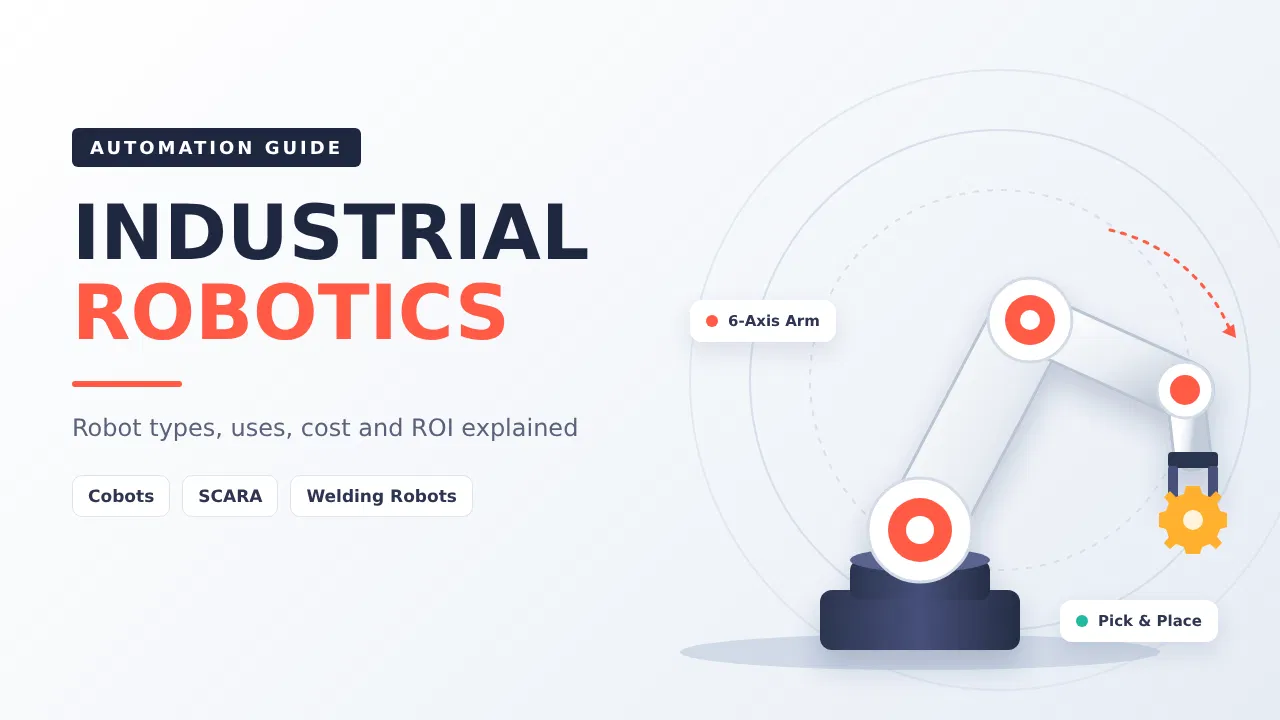
Robots and cobots handle repetitive tasks such as loading, welding and packing. Digital twins let engineers test changes on a virtual model before applying them to the real line. Artificial intelligence helps predict failures and optimise production schedules. Companies like Siemens, ABB, Rockwell Automation and Mitsubishi Electric are leading this shift, and even small factories are now adopting affordable automation.
Career Opportunities in the Machinery Sector
The growth of manufacturing creates strong demand for people who can operate, install, maintain and design machines. Popular roles include machine operator, maintenance technician, mechanical and electrical engineer, automation engineer, service engineer and plant manager. ITI, diploma and engineering qualifications are common entry routes, and skills in PLC programming, hydraulics and CNC operation lead to higher salaries.
Conclusion
Industrial machinery is the foundation of productivity in every manufacturing and infrastructure business. By choosing machines based on real production needs and total cost of ownership, using the right financing and insurance, and following a disciplined maintenance plan, companies can protect their investment and improve output. As smart and automated machines become more affordable, businesses that adopt them early will be better placed to compete and grow.