Advanced manufacturing technology is transforming how products are designed, made and delivered. It brings together robotics, 3D printing, artificial intelligence, connected sensors and new materials to make production faster, smarter and more flexible than ever before.
Traditional factories relied on fixed production lines, manual inspection and long setup times. Advanced manufacturing replaces much of this with data-driven decisions, automated equipment and digital tools that let companies produce high-quality goods at lower cost, even in small batches. For businesses, it is the key to staying competitive, and for workers and students, it is opening a new set of high-paying, future-ready careers.
Table of Contents
What Is Advanced Manufacturing Technology
Advanced manufacturing technology refers to the use of innovative processes, machines and digital systems to improve product quality, productivity and efficiency. It is not a single machine or method but a combination of technologies working together across design, production, quality control and supply chain.
The concept is closely linked with Industry 4.0, often called the fourth industrial revolution. In this model, physical machines and digital systems are connected, allowing factories to monitor themselves, learn from data and adjust operations with minimal human intervention.
Core Technologies Driving Advanced Manufacturing
Several technologies form the foundation of modern smart factories. Each one solves a different problem, but their real power comes from using them together.
Additive Manufacturing (3D Printing)
Additive manufacturing builds parts layer by layer directly from a digital model. Metal 3D printing methods such as powder bed fusion and directed energy deposition are now used for aerospace brackets, medical implants, turbine parts and custom tooling. It allows complex, lightweight designs that cannot be made by machining or casting, and it eliminates the need for expensive moulds in low-volume production.
Industrial Robotics and Cobots
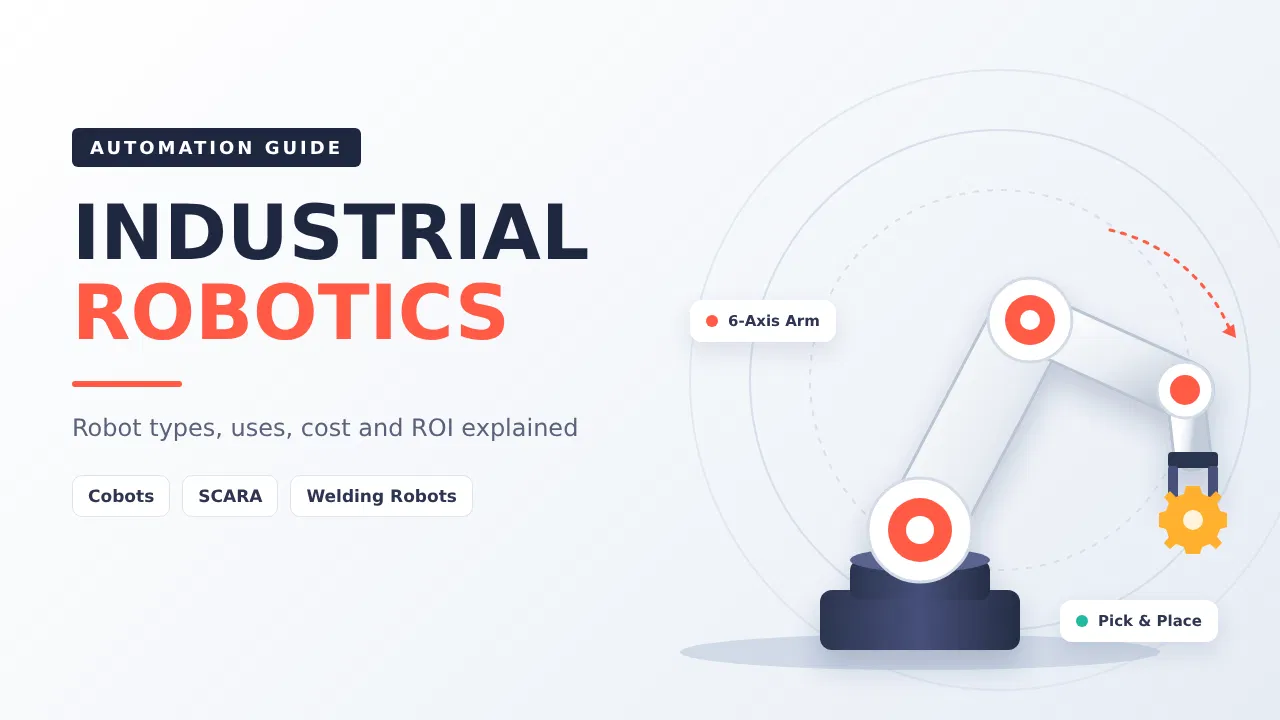
Industrial robots handle welding, painting, assembly, packaging and material handling with high speed and consistency. Collaborative robots, or cobots, work safely alongside people and are easy to program, making automation practical for small and medium manufacturers. Brands such as FANUC, ABB, KUKA, Yaskawa and Universal Robots lead this market.
Industrial Internet of Things (IIoT)
IIoT connects machines, sensors and devices to a central network. Data on temperature, vibration, speed, energy use and output flows continuously into software platforms. Managers can track overall equipment effectiveness in real time and respond quickly to problems.
Artificial Intelligence and Machine Learning
AI analyses large amounts of production data to find patterns humans would miss. It is used for predictive maintenance, demand forecasting, process optimisation and visual inspection. Computer vision systems can spot surface defects on parts faster and more reliably than manual checks.
Digital Twins and Simulation
A digital twin is a virtual copy of a machine, production line or entire factory. Engineers test layout changes, new products and process settings in the virtual model before applying them in reality. This reduces trial-and-error, saves material and shortens product launch time.
Cloud Computing and Edge Computing
Cloud platforms store and process factory data at scale, while edge computing handles time-critical analysis close to the machine. Together they allow fast decisions on the shop floor and long-term insights at the management level.
| Technology | Main Benefit | Typical Use |
|---|---|---|
| 3D Printing | Complex, tool-free parts | Implants, Prototypes |
| Robotics | Speed and consistency | Welding, Assembly |
| IIoT Sensors | Live machine data | Monitoring, OEE |
| Artificial Intelligence | Smart decisions | Inspection, Forecasting |
| Digital Twin | Risk-free testing | Line Design, Upgrades |
Advanced Materials in Modern Production
Advanced manufacturing is not only about machines but also about what products are made from. Carbon fibre composites offer high strength at low weight for aircraft, sports equipment and electric vehicles. Advanced high-strength steels make cars lighter and safer. Titanium and nickel superalloys handle extreme heat in jet engines, while engineered polymers and ceramics are replacing metals in many applications.
Nanomaterials and smart materials, which change properties in response to heat, light or pressure, are opening new possibilities in electronics, healthcare and energy storage.
Benefits for Businesses
Companies adopting advanced manufacturing technology often see clear gains across operations.
- Higher productivity with less downtime and faster changeovers
- Better and more consistent product quality
- Lower material waste and energy consumption
- Ability to offer customised products at reasonable cost
- Faster time to market for new designs
- Improved worker safety by automating dangerous tasks
- Full traceability of parts for compliance and recalls
Industries Leading the Adoption
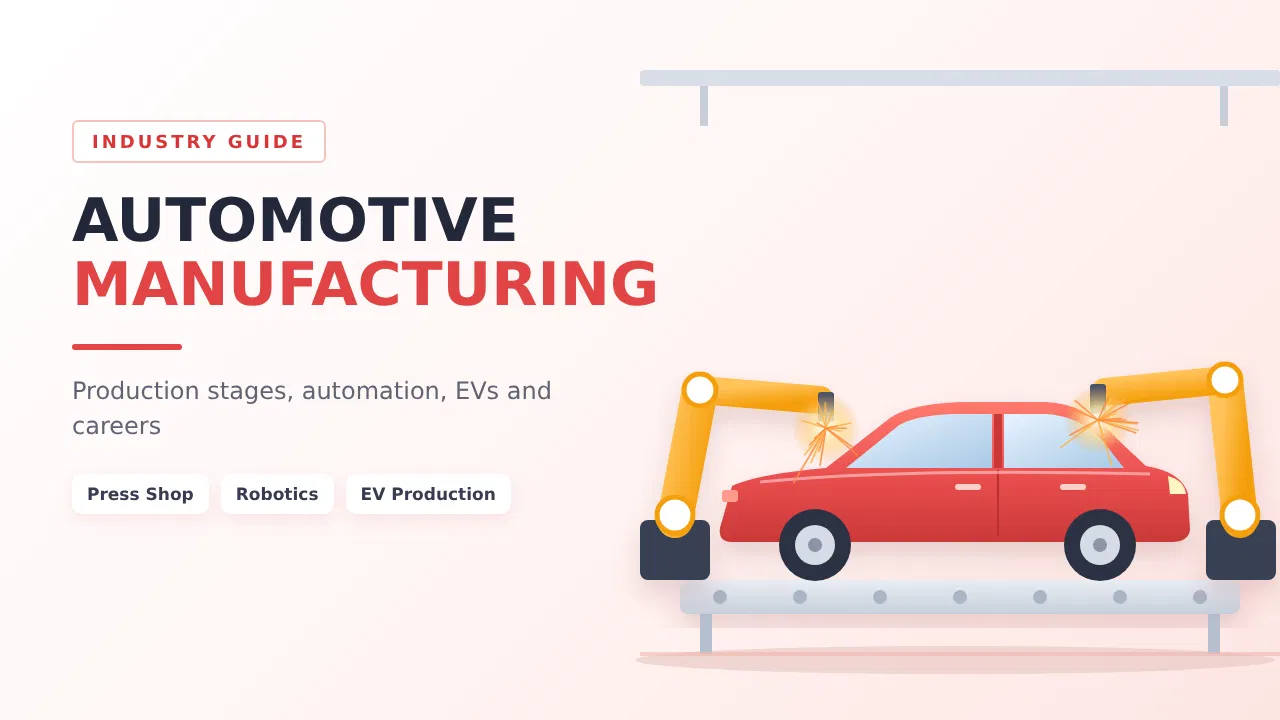
Automotive and electric vehicle makers use robotics, laser welding and AI inspection on a massive scale. Aerospace and defence companies rely on 3D printing, composites and digital twins. Electronics and semiconductor fabrication demand extreme precision and clean-room automation. Pharmaceutical and medical device manufacturers use continuous processing and strict digital quality records. Even food processing, textiles and furniture are increasingly adopting smart machines and data systems.
Challenges in Adopting Advanced Manufacturing
Despite its benefits, the move to advanced manufacturing is not easy for every company.
High Initial Investment
Robots, 3D printers, software licences and network infrastructure need significant capital. Many firms use equipment finance, machinery loans, leasing and government incentive schemes to spread the cost. In India, programmes such as Production Linked Incentive schemes and MSME technology upgrade support help manufacturers invest.
Skill Gaps
Smart factories need workers who understand both machines and data. Training existing staff in programming, data analysis and maintenance is essential, and partnerships with technical institutes can help build a skilled talent pipeline.
Cybersecurity Risks
Connected factories are exposed to cyber attacks that can stop production or steal designs. Strong network security, regular software updates and cyber insurance are becoming standard parts of risk management for modern manufacturers.
How to Start the Transition
Moving to advanced manufacturing works best as a step-by-step journey rather than a single large overhaul. A practical roadmap for most companies looks like this:
- Step 1: Assess current processes and identify the biggest bottlenecks and quality losses
- Step 2: Start with a pilot project, such as sensors on critical machines or one cobot cell
- Step 3: Measure results clearly in output, scrap rate and downtime
- Step 4: Train operators and maintenance teams on the new systems
- Step 5: Scale successful pilots across lines and connect data to one platform
- Step 6: Review cybersecurity, insurance and financing before each major expansion
This approach keeps risk low, builds confidence among staff and makes it easier to justify further investment with real numbers.
Career Opportunities in Advanced Manufacturing
The growth of smart factories is creating demand for new types of professionals. In-demand roles include robotics engineer, automation engineer, PLC and SCADA programmer, additive manufacturing technician, data analyst for manufacturing, digital twin specialist, quality engineer and industrial cybersecurity expert.
Degrees in mechanical, mechatronics, electrical and computer engineering are common routes, while certification courses in robotics, PLC programming, CAD/CAM and industrial IoT help diploma holders and working technicians move into higher-paying roles.
The Future of Manufacturing
The next phase, often called Industry 5.0, focuses on close collaboration between humans and intelligent machines, along with sustainability and resilience. Factories will use more renewable energy, recycle more materials and design products for longer life. Generative AI will help engineers create optimised designs in hours instead of weeks, and fully autonomous production cells will become common in high-volume industries.
Conclusion
Advanced manufacturing technology is reshaping industry by combining automation, data and new materials into smarter, more efficient production systems. While the investment and skill requirements are real, the rewards in productivity, quality and flexibility are significant. Businesses that plan their upgrade carefully, and workers who build modern technical skills, will be best placed to benefit from the future of manufacturing.