Metal fabrication is the process of turning raw metal sheets, bars, tubes and plates into finished structures, parts and products. It is one of the most essential services in manufacturing, construction and infrastructure, supporting everything from factory machines and storage racks to staircases, gates and steel buildings.
A fabrication shop combines several skills under one roof, including cutting, bending, welding, machining, assembly and finishing. With growing demand from construction, automotive, energy and food processing industries, metal fabrication has also become a strong business opportunity and a reliable career path. This guide explains how fabrication works, the main processes and materials involved, and what businesses should know before hiring a fabricator or starting a fabrication unit.
Table of Contents
What Is Metal Fabrication
Metal fabrication refers to building metal structures and components by cutting, shaping and joining raw materials. Unlike casting or forging, which create parts in a single forming step, fabrication usually combines many operations to build a final product from standard stock materials.
Fabricated products range from small brackets and enclosures to large steel frames, pressure vessels, conveyors, tanks and bridge sections. The work can be custom, one-off projects or high-volume production of repeated parts for original equipment manufacturers.
Types of Metal Fabrication Work
Fabrication shops usually specialise in one or more categories of work, depending on their equipment and market.
Structural Fabrication
Structural fabrication produces beams, columns, trusses, platforms and frames for buildings, warehouses, industrial sheds, bridges and towers. It works mainly with heavy steel sections and plates and must follow strict engineering drawings and safety codes.
Industrial Fabrication
Industrial fabrication builds equipment and parts for factories, such as machine frames, conveyors, hoppers, ducts, storage tanks and process skids. Precision and durability are critical because these items work under continuous load.
Commercial and Architectural Fabrication
This category covers products for shops, offices, hotels and homes, including railings, staircases, gates, canopies, kitchen equipment, signage and decorative metal panels. Appearance and finish are as important as strength here.
Sheet Metal Fabrication
Sheet metal fabrication focuses on thinner materials to make enclosures, control panels, cabinets, HVAC ducts, automotive parts and appliance bodies. It relies heavily on laser cutting, punching and press brake bending.
Core Processes in a Fabrication Shop
Most fabricated products pass through a combination of the following processes.
- Cutting: shearing, sawing, laser, plasma, waterjet or oxy-fuel cutting to size and shape
- Punching: creating holes and patterns quickly using CNC turret punch presses
- Bending and forming: press brakes, rolling machines and section benders shape the metal
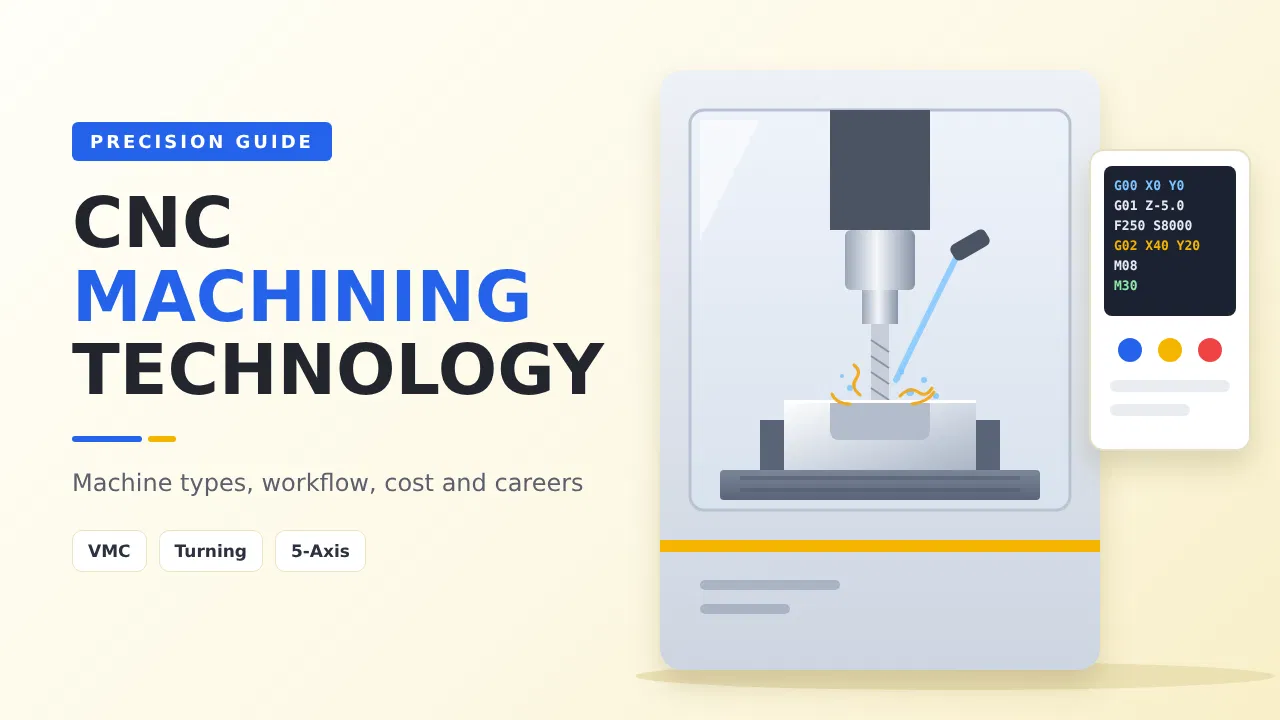
- Machining: drilling, milling and turning for precise holes and surfaces
- Welding: MIG, TIG, stick and spot welding to join parts permanently
- Fastening: bolting, riveting and clinching where welding is not suitable
- Assembly: putting sub-parts together into the final product
- Finishing: grinding, sandblasting, powder coating, painting or galvanising
Common Materials Used in Fabrication
The choice of material depends on strength, weight, corrosion resistance, appearance and budget.
| Material | Key Property | Typical Use |
|---|---|---|
| Mild Steel | Strong, low cost | Frames, Structures |
| Stainless Steel | Rust resistant, hygienic | Kitchen, Pharma |
| Aluminium | Lightweight | Vehicles, Enclosures |
| Galvanised Steel | Zinc-coated protection | Outdoor, Roofing |
| Copper and Brass | Conductive, decorative | Electrical, Fittings |
The Fabrication Workflow from Order to Delivery
A professional fabrication project follows a clear workflow to keep quality and timelines under control.
Enquiry and Quotation
The client shares drawings, quantities and specifications. The fabricator studies the design, estimates material, labour and finishing costs, and prepares a quotation with delivery time.
Engineering and Shop Drawings
Engineers create detailed shop drawings and CAD models, often using software such as AutoCAD, SolidWorks or Tekla Structures. Nesting software arranges parts on sheets to reduce material waste.
Material Procurement
Sheets, plates, pipes and sections are purchased with mill test certificates when required. Consumables like welding wire, gases and paint are arranged in advance.
Production and Quality Control
Parts are cut, formed and welded according to drawings. Inspectors check dimensions, weld quality and surface finish at each stage. Critical jobs may need non-destructive testing and third-party inspection.
Finishing, Packing and Installation
After painting or coating, products are packed safely and transported to the site. Many fabricators also offer on-site installation and erection services.
How to Choose the Right Fabricator
Selecting a reliable fabrication partner saves time, money and rework. Businesses should look for the following points.
- Experience with similar projects and materials
- Modern machines such as CNC laser cutters and press brakes
- Certified welders and documented quality procedures, such as ISO 9001
- Clear communication, written quotations and realistic timelines
- In-house finishing and installation capability
- Good references and on-time delivery record
Starting a Metal Fabrication Business
Metal fabrication can be a profitable small or medium business, especially in industrial areas and growing cities. Many units start with basic machines such as a cutting saw, drilling machine, welding sets and a small bending machine, then upgrade to CNC equipment as orders grow.
Key requirements include a suitable industrial shed, three-phase power connection, trade licence, GST registration and Udyam registration for MSME benefits. Building relationships with contractors, builders and factories is essential for steady orders.
Finance and Insurance
Machinery and working capital can be funded through MSME loans, machinery loans and cash credit limits from banks such as SBI, HDFC Bank and ICICI Bank, as well as NBFCs. Government credit guarantee schemes help small units get loans with less collateral. To protect the business, owners should consider fire insurance, machinery breakdown cover, stock insurance and public liability insurance, along with workmen’s compensation and health insurance for employees.
Safety in Metal Fabrication
Fabrication shops involve sharp edges, heavy lifting, hot work and moving machinery. Proper safety practices protect workers and reduce costly accidents.
- Helmets, safety shoes, gloves and eye protection for all workers
- Welding screens, fume extraction and fire extinguishers near hot work
- Machine guards and emergency stops on presses and cutters
- Correct lifting tools such as cranes, chain blocks and slings
- Regular training and housekeeping to keep walkways clear
Latest Trends in Metal Fabrication
Fabrication shops are adopting new technology to work faster and win bigger orders. Fibre laser cutters have replaced many older punching and shearing machines because they handle complex shapes with little setup time. CNC press brakes with automatic back gauges and angle measurement deliver accurate bends on the first try.
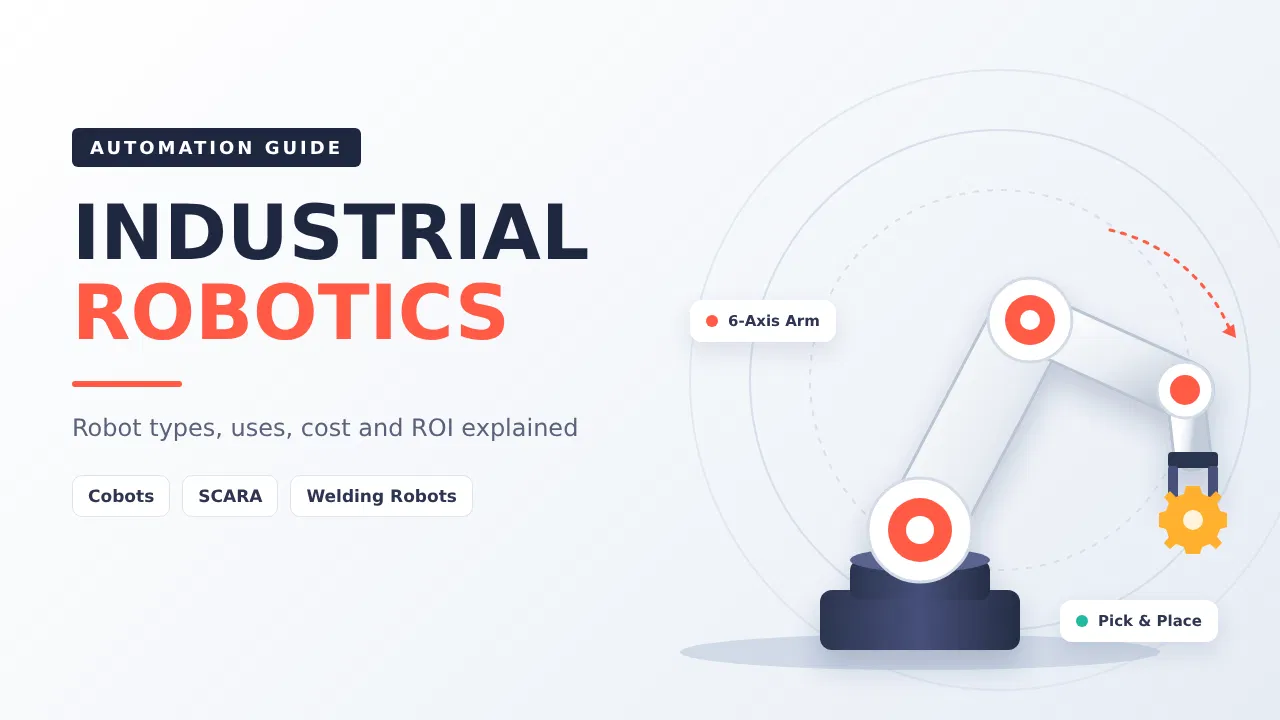
Robotic welding cells are becoming affordable for medium-sized shops, improving consistency on repeat jobs. Cloud-based job tracking and ERP software help owners monitor orders, material stock and costs in real time. Sustainability is also gaining importance, with more shops recycling scrap, using energy-efficient machines and offering powder coating instead of solvent-based paints. Fabricators that invest in these upgrades are better placed to serve large clients and export markets.
Career Opportunities in Fabrication
Metal fabrication offers jobs for welders, fitters, fabricators, CNC operators, press brake operators, quality inspectors, draughtsmen and project managers. ITI trades like Fitter, Welder and Sheet Metal Worker are common entry routes. Skilled fabricators and welders are also in high demand abroad, especially in the Gulf countries, Europe and Australia, where construction and oil and gas projects need experienced workers.
Conclusion
Metal fabrication turns raw metal into the structures and products that keep industries, buildings and infrastructure running. By combining the right processes, materials and skilled people, fabricators deliver strong, accurate and durable results. Whether you are hiring a fabrication shop or planning to start one, focusing on quality, safety, modern equipment and proper financial planning will lead to long-term success in this essential industry.