Automotive manufacturing is one of the largest and most complex industries in the world. Every car, motorcycle, truck and bus on the road is the result of thousands of parts coming together through a highly organised chain of design, engineering, production and quality control.
The industry is also a major driver of economic growth and employment. A single car plant supports hundreds of component suppliers, logistics companies, dealers and service centres. Today, automotive manufacturing is going through its biggest change in decades as electric vehicles, automation and connected technologies reshape how vehicles are built. Understanding this process gives valuable insight for engineers, job seekers, investors and anyone interested in how modern vehicles come to life.
Table of Contents
Overview of the Automotive Manufacturing Industry
Automotive manufacturing covers the design, development, production and assembly of motor vehicles and their components. It includes original equipment manufacturers, commonly called OEMs, who build complete vehicles, and a large network of tier 1, tier 2 and tier 3 suppliers who make parts such as engines, seats, electronics, brakes and wiring harnesses.
Global leaders include Toyota, Volkswagen Group, Hyundai-Kia, Stellantis, General Motors, Ford and BYD. In India, Maruti Suzuki, Tata Motors, Mahindra and Mahindra, Hyundai, Hero MotoCorp, Bajaj Auto and TVS Motor are among the biggest manufacturers, making the country one of the world’s top vehicle producers.
Stages of Vehicle Production
Although each company has its own system, most car plants follow a similar flow from raw material to finished vehicle.
Design and Engineering
Every vehicle starts on a computer screen. Designers create the exterior and interior using CAD software, while engineers run simulations for crash safety, aerodynamics, durability and fuel or energy efficiency. Prototypes are built and tested on tracks and in labs for many months before production approval.
Press Shop
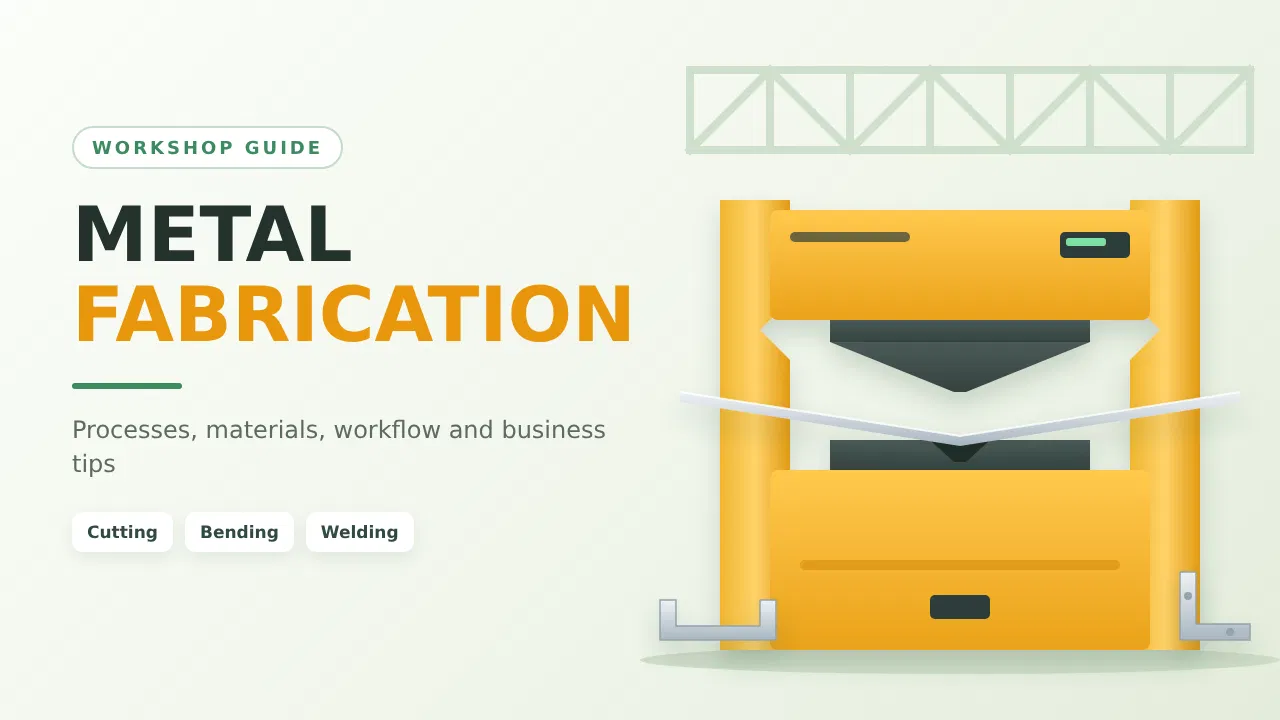
Large coils of steel and aluminium sheet are cut into blanks and pressed into body panels such as doors, roofs, bonnets and fenders. Huge stamping presses, some capable of thousands of tonnes of force, shape each panel in a few seconds using precision dies.
Body Shop
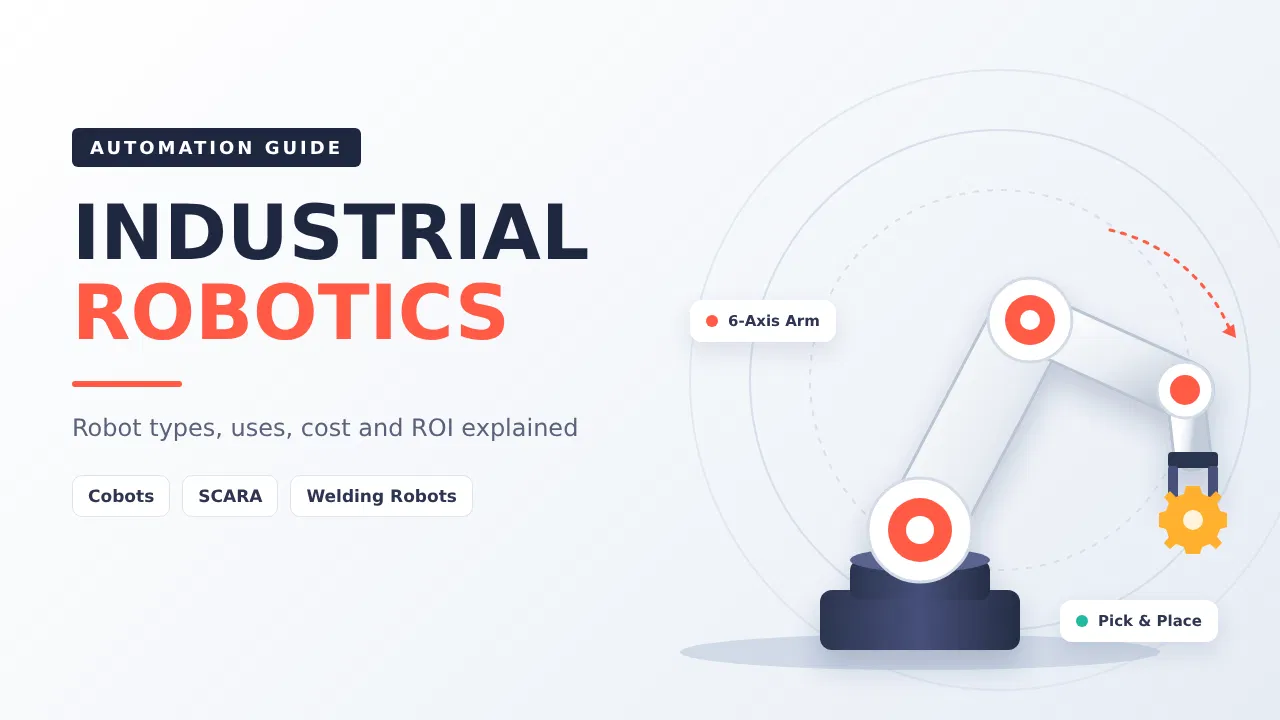
Stamped panels are joined to form the vehicle body, known as the body in white. Hundreds of robots perform spot welding, laser welding, riveting and adhesive bonding with extreme accuracy. Measuring systems check every body to ensure gaps and dimensions are within tolerance.
Paint Shop
The body is cleaned and passed through multiple treatment stages. It is dipped in an electrocoat bath for corrosion protection, then coated with primer, base colour and clear coat, mostly applied by robots in dust-free booths. Ovens cure each layer to give a durable, glossy finish.
Powertrain Production
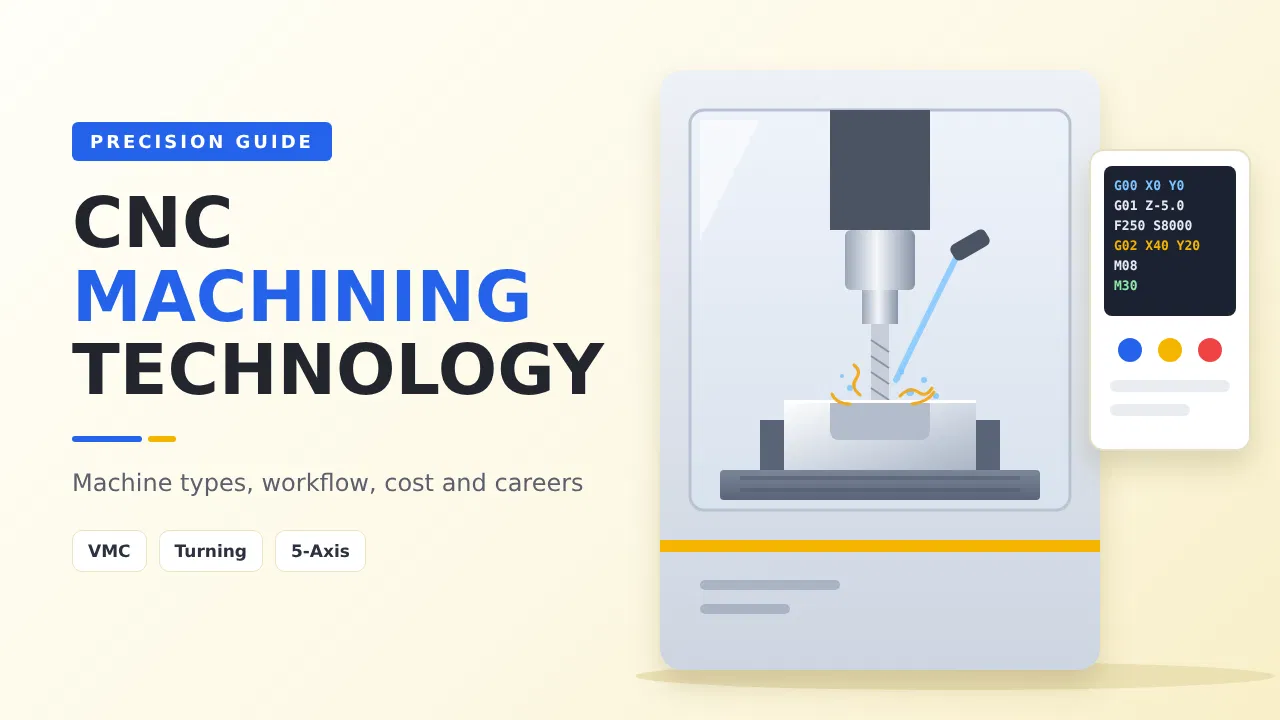
In parallel, engines, gearboxes and axles are machined and assembled. For electric vehicles, this area produces electric motors, inverters and battery packs. Powertrain plants rely heavily on CNC machining, automated assembly and precise testing.
Final Assembly
The painted body moves along the assembly line, where workers and machines install wiring, dashboards, seats, glass, wheels, lights and the powertrain. The joining of body and powertrain, known as the marriage, is a key milestone. Fluids are filled and electronic systems are programmed before the vehicle starts for the first time.
Testing and Quality Checks
Every finished vehicle goes through wheel alignment, headlight aiming, brake testing, rolling road tests and water leak checks. Inspectors examine paint, fit and finish under bright lights before the car is cleared for dispatch.
| Shop | Main Work | Key Technology |
|---|---|---|
| Press Shop | Body panels | Stamping presses |
| Body Shop | Body in white | Welding robots |
| Paint Shop | Protection and colour | E-coat, paint robots |
| Powertrain | Engines, motors, batteries | CNC machining |
| Final Assembly | Complete vehicle | Moving line, AGVs |
Production Systems That Changed the Industry
Henry Ford’s moving assembly line made cars affordable for ordinary families in the early twentieth century. Later, the Toyota Production System introduced lean manufacturing, which focuses on removing waste, improving continuously and producing exactly what is needed when it is needed.
- Just-in-time delivery reduces inventory and storage costs
- Kaizen encourages small, continuous improvements by every worker
- Jidoka allows machines and workers to stop the line when a defect appears
- Standardised work keeps quality consistent across shifts
- Mixed-model lines build different variants on the same line
These principles are now used not only in automotive plants but across many other industries worldwide.
Technology and Automation in Modern Car Plants
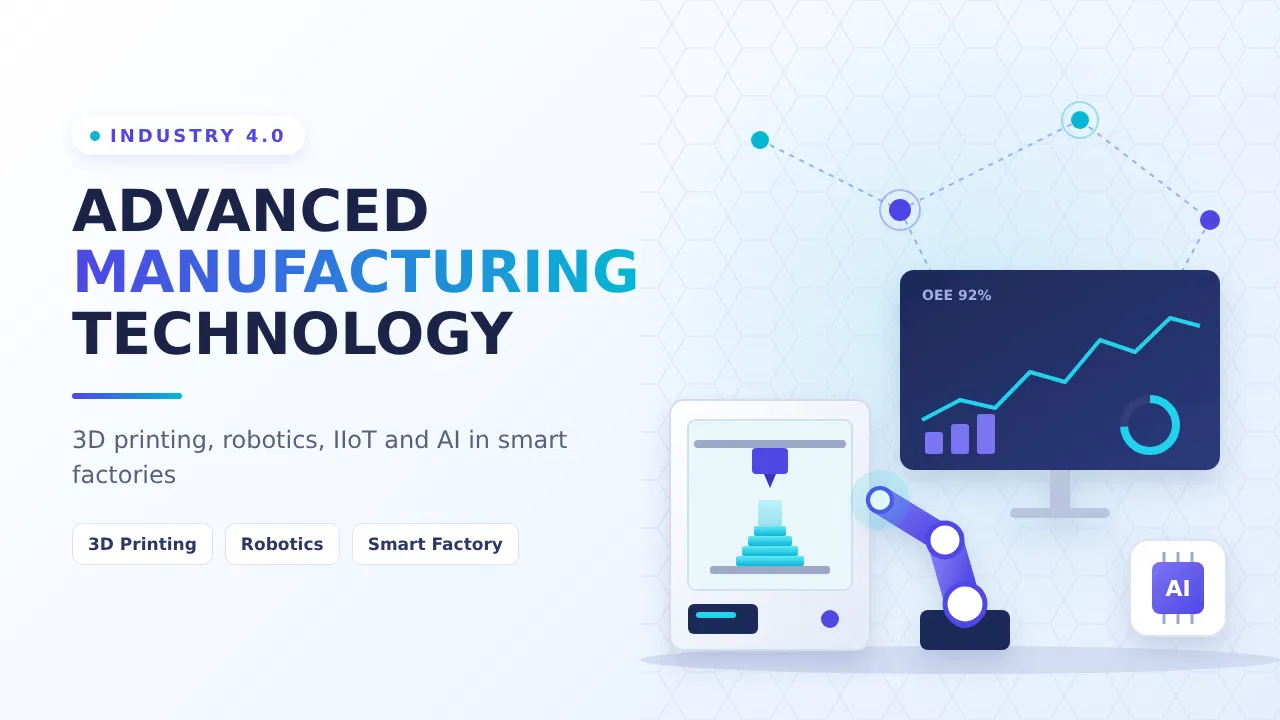
Modern automotive factories are among the most automated workplaces in the world. Robots handle most welding and painting tasks, while automated guided vehicles move parts around the plant. Machine vision systems inspect welds and paint, and connected sensors track every station in real time.
Digital twins let engineers plan new models on a virtual production line before changing the real one. Some manufacturers use gigacasting, where huge aluminium die-casting machines produce large sections of the body in a single piece, reducing the number of parts and welding steps.
The Shift to Electric Vehicle Manufacturing
Electric vehicles are changing the structure of automotive manufacturing. An EV has far fewer moving parts than a petrol or diesel vehicle, but it needs new components such as lithium-ion battery cells, battery management systems, electric motors and power electronics.
Battery production has become the most valuable part of the EV supply chain, leading to huge investments in cell manufacturing plants, often called gigafactories. Governments, including India through its Production Linked Incentive schemes for automobiles and advanced chemistry cell batteries, are offering support to build local EV and battery manufacturing capacity.
Supply Chain and Component Ecosystem
A typical car contains around 30,000 parts when every small component is counted. Managing this supply chain requires close coordination with hundreds of suppliers across several countries. Disruptions, such as the global semiconductor shortage seen a few years ago, showed how one missing component can halt entire production lines.
To reduce risk, manufacturers now localise more suppliers, keep strategic buffer stocks of critical parts and use digital platforms to track shipments. Component makers like Bosch, Denso, Continental, Bharat Forge, Motherson and Sona Comstar play a central role in this ecosystem.
Finance, Insurance and Business Opportunities
Setting up an automotive plant or component unit needs heavy capital investment in land, machinery, tooling and testing equipment. Companies use term loans, project finance and equipment leasing, while small component makers benefit from MSME credit schemes. Industrial all-risk insurance, machinery breakdown cover and product liability insurance protect against large financial losses.
On the consumer side, the industry drives a huge market for car loans, two-wheeler loans and motor insurance offered by banks such as SBI, HDFC Bank and ICICI Bank and insurers like Bajaj Allianz, ICICI Lombard and Tata AIG. Automotive stocks are also closely followed by investors as indicators of economic health.
Careers in Automotive Manufacturing
The industry offers a wide range of jobs, from production operators and maintenance technicians to design engineers and plant managers. Growing roles include EV battery engineer, robotics technician, automotive software engineer, quality engineer and supply chain analyst. ITI trades such as fitter, welder and motor mechanic, along with diploma and engineering degrees in mechanical, electrical and automobile engineering, are common entry routes.
Conclusion
Automotive manufacturing combines precision engineering, automation and global supply chains to turn raw steel and electronics into safe, reliable vehicles. From the press shop to final testing, every stage plays a role in quality and cost. As the industry moves toward electric, connected and highly automated production, it will continue to create new opportunities for businesses, investors and skilled professionals for decades to come.